
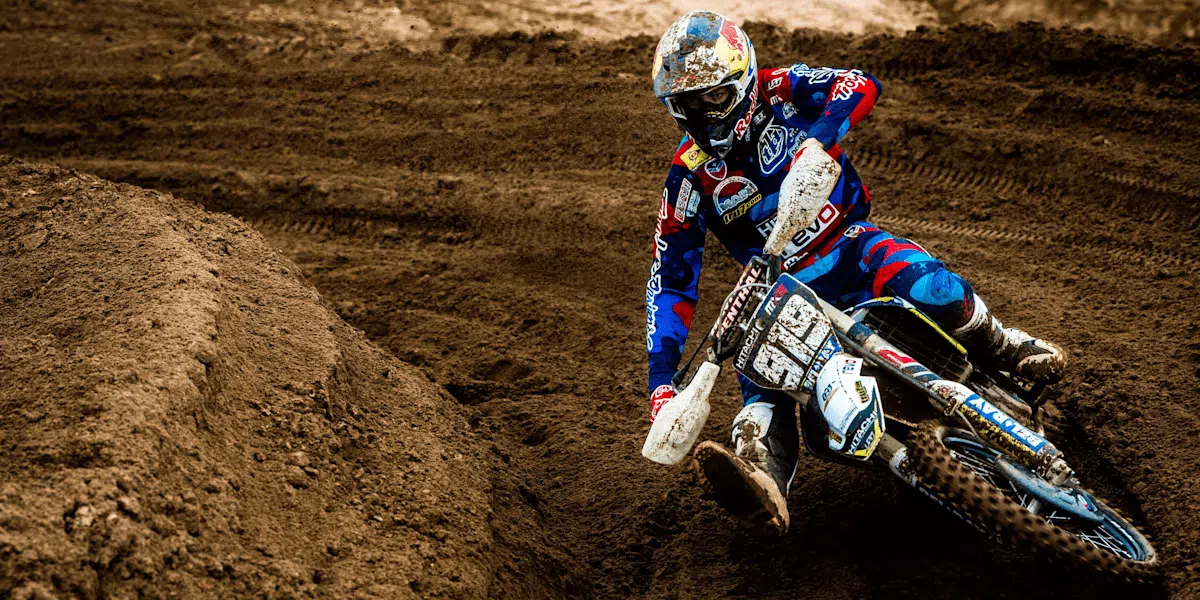
Motocross often sparks debate at gatherings: is it truly a sport, or simply an adrenaline-filled hobby? Enthusiasts of the dirt bike scene passionately defend its intensity, while skeptics sometimes dismiss it as a pastime for those who thrive on mud and noise. Taking a closer look at what unfolds both on and off the track uncovers insights that challenge these assumptions. Whether examined through the lens of physical demands, mental strength, or sheer passion, there is much more to motocross than initial impressions may suggest.
The roots and evolution of motocross
Motocross did not emerge overnight in the world of competitive activities. This discipline took shape over several decades, with early motorcycle enthusiasts racing across open countryside. Over time, these informal events evolved into organized competitions, introducing new rules and standardized tracks.
Today, professional riders tackle specialized circuits filled with high jumps, tight turns, and complex technical features. What started as thrill-seeking among friends has grown into a serious pursuit, demanding dedication and rigorous training schedules from those involved.
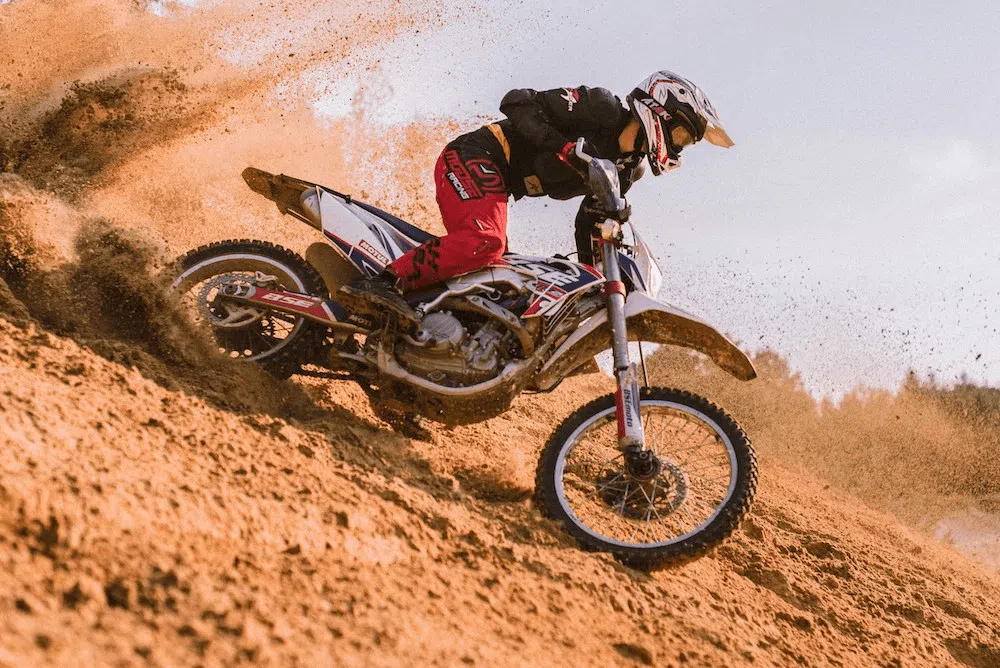
Why does the debate about its sport status persist?
Many outsiders continue to question whether dirt bike racing qualifies as a legitimate sport. The ongoing debate seems rooted in preconceived ideas about what constitutes genuine athletic competition. While football, soccer, or basketball are universally accepted as “real” sports, motocross does not always enjoy the same respect.
Perhaps this stems from the visible presence of engines and machines, which can distract from recognizing the skill and exertion required by each rider. Is controlling a powerful motorcycle comparable to running a marathon? Delving into the details offers some clarity.
The reality of motocross as a sport
Assessing how motocross compares to other recognized athletic disciplines dispels much of the skepticism. From structured training routines to race day pressures, participants face challenges familiar to elite athletes in every field.
The line between hobby versus sport may be blurry for some, yet considering how physically demanding motocross truly is changes the conversation instantly. As with any intense activity, commitment and focus distinguish true competitors from casual riders.
Physical demands and comparison to other sports
Steering a dirt bike across unpredictable terrain is not for the faint-hearted. Riders endure constant impacts, significant muscle strain, and situations where lightning-fast reflexes prevent crashes. During races, heart rates soar, muscles burn, and stamina is tested to its limits.
- Grip strength must withstand rough handlebars lap after lap.
- Core stability ensures controlled movement throughout high-speed maneuvers.
- Endurance rivals that of mainstream athletes.
Studies have shown that heart rates in motocross can reach levels similar to those observed in long-distance runners, often spiking above 180 beats per minute. Clearly, this is not just riding—it stands among the most intense and gruelling forms of physical activity available.
Mental strength and psychological demands
Beyond physical fitness, mental strength is what separates exceptional motocross racers from the rest. Adapting rapidly to shifting conditions, interpreting lines, and making split-second decisions all require remarkable mental demands.
Maintaining composure under layers of mud, surrounded by roaring engines and faced with sudden obstacles, builds resilience and sharpens focus. In motocross, mental toughness becomes every bit as important as muscular strength.
Individual sport vs team sport dynamics
While motocross may appear solitary, anyone close to the discipline recognizes its hybrid nature. On race day, performance depends solely on the rider. However, each competitor relies on a dedicated support crew handling machinery, nutrition, strategy, and safety.
This unique setup allows motocross to bridge the gap between individual sport and team sport. The bond between racer and crew highlights cooperation, even though the spotlight remains on individual achievement.
Pursuing motocross: Lifestyle, passion, and motivation
For many, participation in motocross extends far beyond occasional rides. It evolves into a lifestyle—a deep-rooted passion that influences choices well beyond the circuit. Early mornings, frequent travel, investment in gear, and relentless practice sessions reflect the significant lifestyle changes that accompany serious involvement.
Those drawn to motocross describe feelings that surpass simple competitiveness. Every ride delivers a thrilling mix of freedom, challenge, and satisfaction found only in pursuits that blur the boundaries between hobby and vocation.
How does motocross compare to other physically demanding pursuits?
Comparisons frequently reveal similarities between motocross and traditional athletic competitions. Both demand structured training regimens, injury prevention strategies, and ongoing self-assessment. Medical professionals often rank motocross among the most gruelling options due to its unique blend of risks and rewards.
Observers watching motocross alongside mainstream sports quickly notice common ground: the necessity for discipline, perseverance, and a relentless drive to surpass both rivals and personal bests.
Unpacking the idea of “not a sport”
A major reason why some label motocross as “not a sport” likely comes from unfamiliarity. Those unaware of pre-race preparation, strict regulations, or the strong culture within dirt bike communities may underestimate the seriousness involved.
On closer inspection, however, every aspect supports the argument for motocross as a sport—from its competitive structure to the level of effort demanded. Opinions tend to shift quickly after witnessing an event or experiencing a few laps firsthand.
An expert’s take: Frequently asked questions about motocross authenticity
What makes motocross more physically demanding than other sports?
Controlling a dirt bike on unpredictable surfaces pushes muscles in unique ways. Unlike running or swimming, riders deal with high-impact landings, unstable footing, and near-constant vibration. The combination of strength, aerobic conditioning, and coordination sets motocross apart. Studies comparing lactate levels and heart rates show that motocross matches or exceeds values seen in cycling and rowing.
- Continuous engagement of upper body strength
- High heart rate maintained throughout races
- Intense bursts of energy for acceleration and jumps
| Activity | Avg. Heart Rate (BPM) |
|---|---|
| Motocross | 170–180 |
| Running | 160–175 |
| Cycling | 155–170 |
Is motocross considered an individual sport or a team sport?
Motocross occupies a unique position. On the track, each contestant competes independently, making it an individual sport in terms of scoring and performance. Off the track, success relies on teamwork with mechanics, managers, and supporters. This blend means motocross borrows key elements from both formats.
- Solo decision-making during races
- Technical and moral support from teams
- Collaborative strategies between heats
How do mental demands shape motocross performance?
Competing at high speeds requires sustained concentration, calmness under pressure, and rapid analysis of changing track features. Racing environments present mental tests rivaling those faced by athletes in chess or tennis. Coping mechanisms, visualization, and stress management play integral roles.
- Focus must remain sharp despite fatigue and distractions
- Split-second responses to hazards make quick thinking essential
- Consistent preparation rituals improve mental resilience
Can motocross be classified both as a hobby and a sport?
Many enter motocross out of curiosity or for recreation, treating it as a leisure pursuit. With progression, however, many elevate their involvement toward structured competitions, transforming a hobby into a disciplined sport. Factors such as regular training, participation in sanctioned events, and commitment often signal this transition.
- Casual riding provides fun and exploration
- Competitive racing involves planning and preparation
- Passionate individuals commonly embrace both elements