
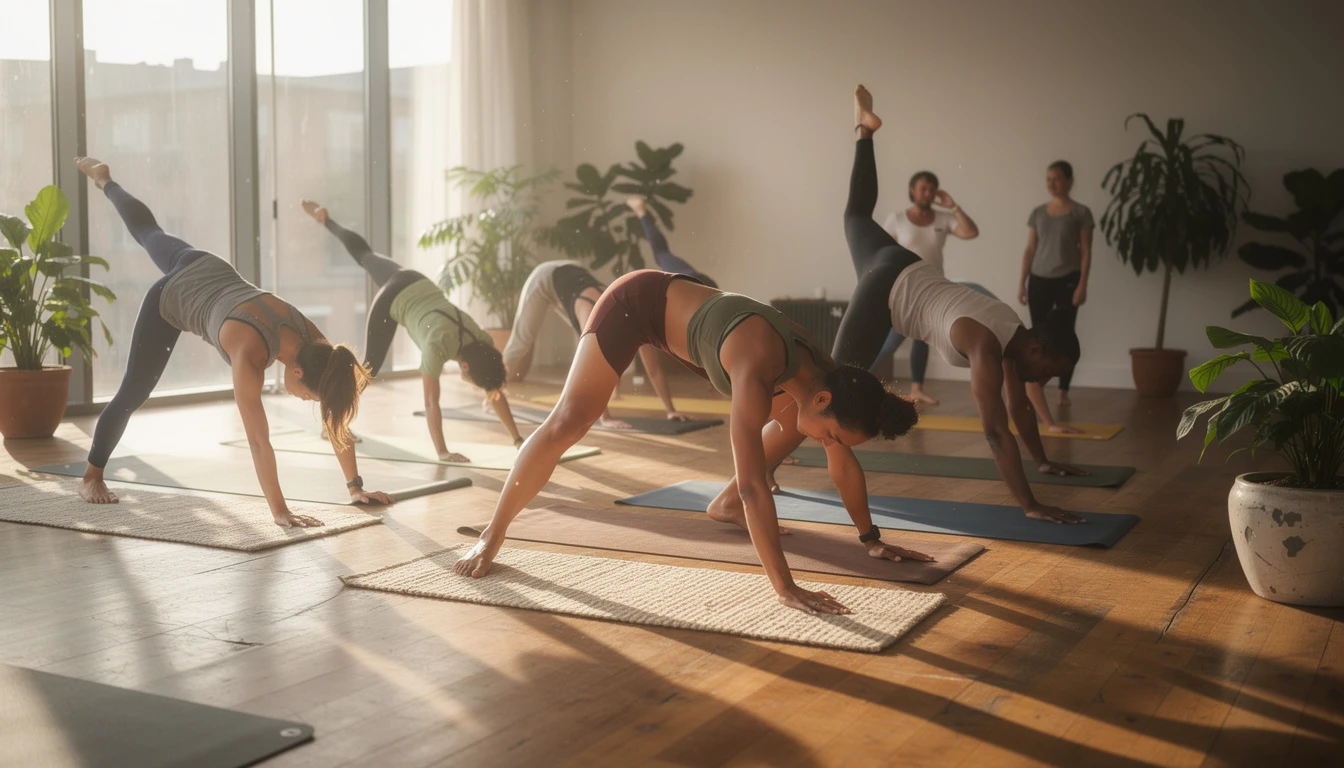
When discussing yoga, many individuals find themselves questioning whether this ancient discipline should be classified as a sport. The rise in popularity of yoga classes and athletic apparel further blurs these lines. Some consider it primarily a form of physical activity, while others highlight its profound lifestyle benefits. It is worth delving into this debate to understand where yoga truly fits within the world of exercise and competitive pursuits.
The essence of yoga: more than just physical movement
Yoga, with origins stretching back thousands of years, is deeply embedded in tradition. At its heart, yoga offers much more than a series of postures or physical exercises. For countless practitioners, it acts as a means for gaining mental clarity and emotional balance. Rather than centering solely on physical skills or fitness, yoga encourages inward focus through mindfulness and controlled breathing.
Even though some asanas can be physically demanding, the true spirit of yoga remains rooted in self-discovery. Each session prioritizes mindful awareness and harmony between body and mind instead of pursuing external rewards or points. This distinction alone separates yoga from most conventional sports.
The physical component: does yoga qualify as exercise?
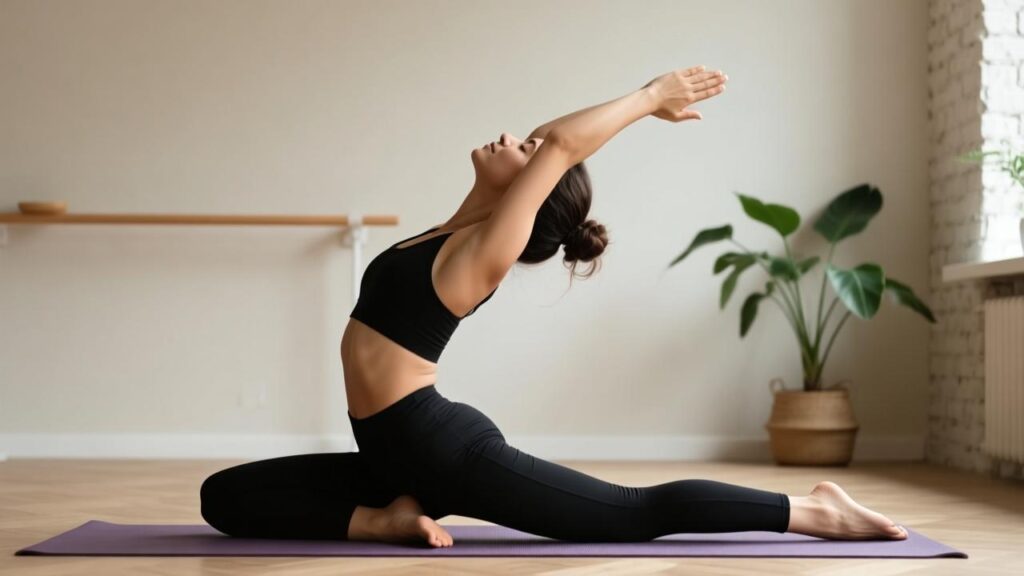
A strong argument for labeling yoga as a sport lies in its clear emphasis on physical movement. Anyone who has held a challenging pose knows that the sweat and concentration required can match any intense workout. Many modern forms of yoga incorporate dynamic flows that elevate the heart rate and build strength.
Individuals often practice yoga to enhance flexibility, improve posture, and boost coordination—benefits commonly linked with other types of physical fitness training. A consistent yoga routine can tone muscles, increase endurance, and promote greater mobility. These physical advantages are at the forefront for those seeking an alternative to traditional exercise regimens.
Does yoga fit the definition of a sport?
The term “sport” typically brings to mind structured rules, teams, and fierce competition. Sports involve specific objectives, defined winners and losers, and require rigorous training aimed at excelling within set parameters. So, where exactly does yoga fall in this context?
In reality, yoga generally lacks the key elements found in organized sports. There are no universal regulations, scoring systems, or official competitions present in most yoga practices. This unique character distinguishes yoga from standard sporting activities, although certain exceptions do exist.
Where do competition and yoga meet?
In recent years, some yoga championships and events have emerged across the globe, where participants are evaluated based on their execution of postures or asanas. In these rare scenarios, yoga approaches a sport-like identity, as judges assess alignment, balance, and technique using criteria similar to those in athletic competitions.
However, such occasions represent only a small fraction of overall yoga practice. For the majority, there is no element of competition; instead, personal growth and well-being take precedence over outperforming others.
No competition, rules, or scoring in traditional practice
Traditional yoga places importance on inner progress, ease of breath, and mindful movement. There are no opponents, referees, or standardized point systems guiding each session. Success is measured by self-acceptance and gradual improvement, not by surpassing others or reaching prescribed benchmarks.
This fundamental difference sets yoga apart from nearly every recognized competitive sport. Its inclusive nature welcomes individuals of all ages and skill levels, without requiring peak conditioning or prior athletic experience.
Comparing yoga to other sports and physical activities
Physical activity takes many forms, from fast-paced team games to solo challenges testing endurance. Unlike running, cycling, or football, yoga usually does not feature rapid action or winner-takes-all matches. Still, challenging flows can elevate the heartbeat, strengthen muscles, and significantly improve flexibility, rivaling many traditional fitness routines.
As a method of exercise, yoga stands out by combining stretching, strength-building, and mindful breathing. While other sports often emphasize competitiveness and quick results, yoga supports slow, steady progression at an individual pace.
- Most sports follow strict rules and target explicit end goals.
- Yoga values adaptability, allowing modifications for all bodies.
- Sports thrive on direct competition; yoga embraces a space with no competition.
- Conventional sports reward external achievement; yoga nurtures internal growth and balance.
The following table highlights key distinctions:
| Aspect | Yoga | Typical sports |
|---|---|---|
| Objective | Personal growth | Winning/scoring |
| Rules | No universal rules | Strict regulations |
| Competition | Absent in most practices | Essential element |
| Flexibility focus | Yes | Rarely emphasized |
Yoga as a way of life or lifestyle
Unlike events limited to seasons or specific timeframes, yoga can seamlessly integrate into daily routines. For many, yoga extends far beyond the mat. Principles like mindfulness, nonviolence, and gratitude frequently influence choices in work, relationships, and health.
This holistic view positions yoga closer to a lifestyle than just a physical discipline. By merging physical skills with self-compassion, yoga bridges exercise and mental resilience, providing tools for managing stress and uncertainty outside of studio sessions.
Frequently asked questions about yoga and its place among sports
Can yoga improve physical fitness like other sports?
Yoga incorporates several aspects of physical fitness, including strength, balance, and particularly flexibility. While it may not develop cardiovascular endurance as quickly as running or swimming, regular practice enhances muscle tone, joint health, and stability. Over time, many notice improved posture and leaner muscles.
- Enhances flexibility
- Increases muscle stability
- Improves balance and coordination
| Fitness element | Yoga focus |
|---|---|
| Strength | Moderate |
| Endurance | Low to moderate |
| Flexibility | High |
Is there any competitive aspect to yoga?
Although competitive yoga events exist, they represent only a minor portion of the broader practice. Mainstream yoga emphasizes individual progress, free from formal scoring or rigid rules. Most practitioners never participate in contests or official demonstrations. This quality sharply contrasts with typical sports, where ranking and competition are central motivators.
- Most yoga practices avoid structured competition
- Some international yoga championships assess postures/asanas for advanced athletes
How does yoga differ from typical exercises?
Yoga uniquely blends mindfulness, breathing techniques, and a focus on the mind-body connection. Standard workouts like weightlifting or aerobics generally prioritize physical outcomes. Yoga balances physical activity with calming the mind, supporting both relaxation and vitality. Postures encourage presence rather than performance-driven metrics.
- Mindfulness is central in yoga, uncommon in typical exercise routines
- Promotes self-acceptance instead of comparison
- Prioritizes safe alignment over maximum exertion
Can yoga be considered a lifestyle choice?
Yoga extends beyond simple exercise by influencing habits, values, and responses to stress. Many begin with physical postures but gradually adopt yoga philosophy to create healthier ways of living. This broad impact leads numerous individuals to view yoga as a supportive way of life rather than a sport focused on competition or fixed routines.
- Encourages mindful living
- Integrates diet, rest, and social behavior
- Promotes emotional regulation and wellness off the mat