
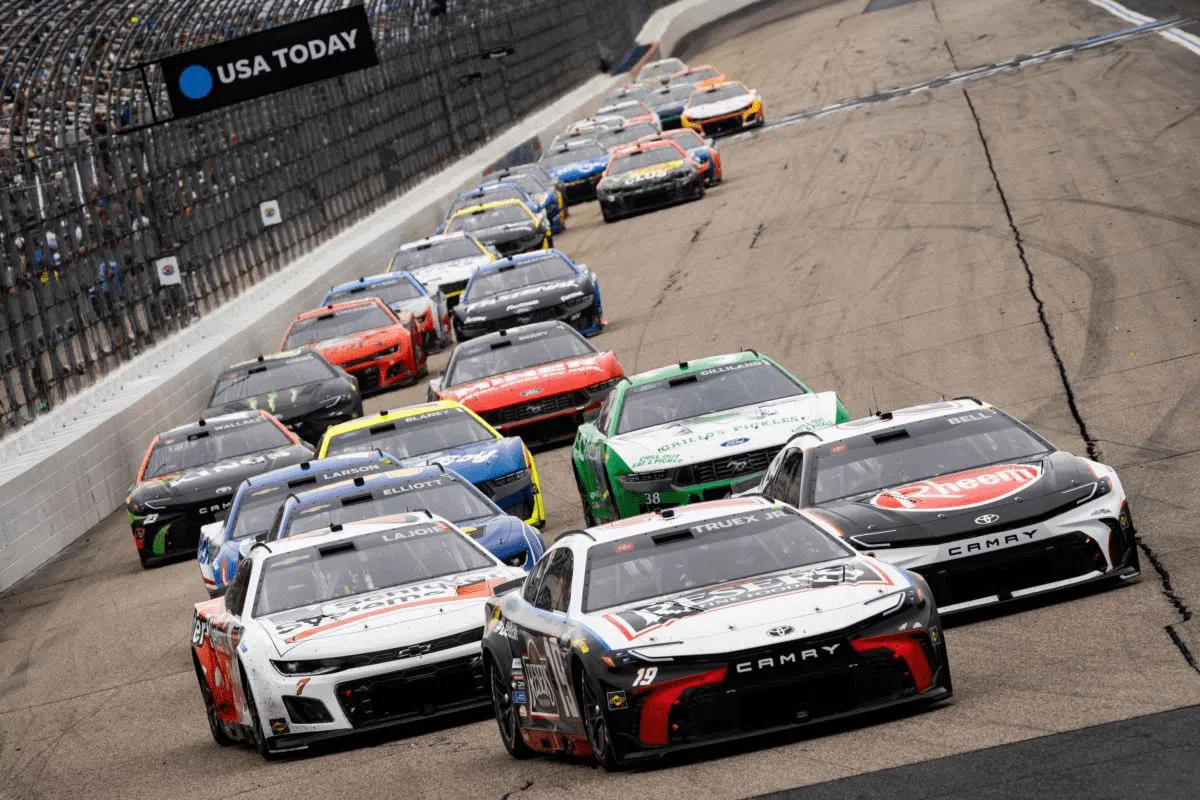
Few debates in the world of competition spark as much passion as the question of whether nascar is a sport. Supporters point to fierce rivalries and undeniable physical demands, while skeptics dismiss it as little more than driving in circles, not quite worthy of comparison with marathons or basketball. It is worth taking a closer look at what defines a sport to see exactly where this high-speed motorsport fits within the broader landscape of athletic pursuits.
What defines a sport?
Whenever the “is nascar a sport” debate arises, everything hinges on how one defines “sport.” Without a shared definition, any argument risks going around in circles—much like the cars themselves. Most dictionaries emphasize a combination of physical activity requirement, skill, and structured competition. However, these criteria can shift depending on perspective.
Some focus exclusively on traditional activities such as football or athletics, where obvious physical exertion is front and center. Others broaden the scope to include games rooted in mental strategy but featuring intense rivalry, like chess or esports. Typically, if an event has organization, rules, skilled participants, and a winner determined by contest, it passes the basic test. So, does nascar meet all those requirements?
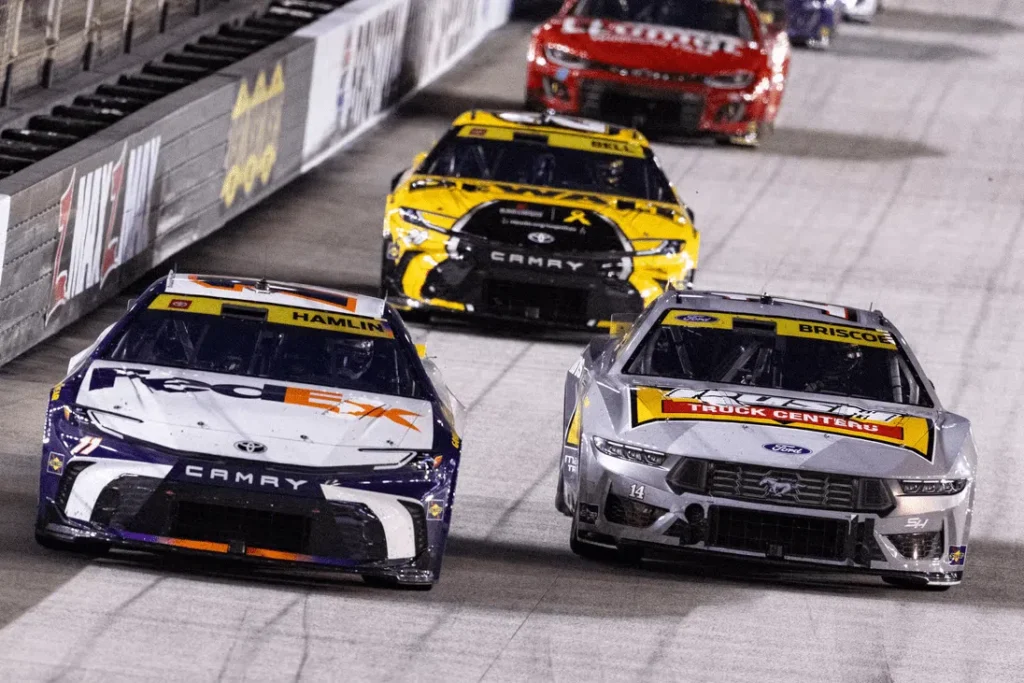
The physical activity required for nascar
The first challenge to classifying nascar as a sport often comes from the claim: “nascar is not a sport; drivers just sit and steer.” Yet, looking beyond the surface quickly reveals a far more demanding reality behind the wheel—one that goes well beyond casual driving.
Anyone familiar with motorsport training routines knows that physiological stress is far higher than many expect. Drivers endure cockpit temperatures above 120 degrees Fahrenheit, maintain relentless concentration for hours, and operate heavy steering systems at extreme speeds. After a race, drivers are typically drenched in sweat, physically depleted, and may lose several pounds through dehydration. Clearly, the physical activity requirement in nascar stands up to scrutiny.
Endurance and athleticism in nascar
Endurance is central to the nascar debate. Drivers must complete hundreds of laps, managing both muscle fatigue and precise reflexes. Reaction times are critical; split-second mistakes can have serious consequences. Stamina and fitness play a major role when competitors push their limits during lengthy events.
Athletes in nascar also train to withstand g-forces, develop quick-twitch muscles for rapid responses, and condition themselves mentally against stress. In terms of sheer endurance, nascar drivers stand alongside marathon runners, cyclists, and other elite athletes.
Skill requirements unique to motorsports
No amount of pure strength will bring a car across the finish line without technical mastery. Reading track conditions, managing tire wear, communicating with the team, and executing tight maneuvers require skills developed over years. The intense competition among drivers rewards those who blend anticipation, adaptability, and sharp strategic thinking.
These unique skill requirements set professional drivers apart from everyday motorists. Decisions about speed, angles, overtaking, and even psychological tactics unfold at incredible velocities, making motorsport distinctively challenging.
Does the team versus individual structure impact nascar’s status?
Another common question is whether nascar is truly a team sport or simply an individual pursuit. Some purists argue that only solo feats count as real sports, dismissing disciplines where athletes rely on others.
A closer look, however, shows intricate teamwork at every level. Pit crews, spotters, strategists, and engineers all play roles as crucial as linemen do for a quarterback. In this way, nascar functions much like other accepted team-based sports, blending standout individual performances with coordinated group efforts toward victory.
Comparison to other sports
Comparing nascar to other activities helps clarify its place. Formula 1 racing, cycling, sailing, and relay races all involve sophisticated teamwork, equipment management, and a mix of individual brilliance and collaboration. These are seldom questioned as legitimate sports, yet nascar sometimes faces skepticism because of the perceived dominance of machines.
If controlling equipment disqualified an activity, then equestrian events and sailing would face similar criticism—which is rarely the case. When viewed alongside this wider sporting universe, nascar meets nearly all the same standards, from strict regulations to highly competitive dynamics.
Popular arguments against nascar as a legitimate sport
The belief that nascar is not a sport often rests on the lack of visible athleticism. Critics imagine athletes only as those running, jumping, or grappling. The subtlety and hidden nature of nascar’s demands make recognition less immediate for some observers.
Another recurring argument focuses on risk versus athletic merit. Some contend that bravery behind the wheel does not equate to athletic prowess. Yet, risk is present in many recognized sports, from mountaineering to rugby. Nascar competitors face genuine danger, adding another demanding layer that many spectators overlook.
How official definitions treat motorsport
Consult any major governing body overseeing sports, and motorsport almost always appears on the roster. International organizations, event committees, and global competitions consistently include auto racing. For them, nascar features regulated contests, clear winners, trained professionals, and significant physical and technical requirements.
This approach aligns with modern definitions of sport, emphasizing organized events, measurable outcomes, objective rules, and established traditions. Motorsport comfortably fits within these parameters, blurring the perceived divide between engine-powered contests and classic footraces.
- Physical fitness and stamina remain integral to nascar success
- Strategy and fine motor skills elevate the competition level
- Both individual talent and collaborative teamwork feature strongly
- The sport regularly appears in major athletic calendars worldwide
Quick answers to common queries about nascar and sport
Why do some insist nascar is not a sport?
Many critics highlight the absence of visible movement compared to classic athletic disciplines. They argue that since engines provide propulsion, the driver’s job is merely sitting and steering rather than engaging in intensely physical tasks. This viewpoint ignores the unique need for heat tolerance, rapid reflexes, high-pressure decision-making, and thorough mental preparation. Viewed more broadly, these elements have much in common with other widely recognized sports.
- Lack of obvious exertion
- Dependence on machinery
- Traditional expectations of athleticism
What physical activity requirements separate nascar from casual driving?
Nascar drivers must endure extreme cockpit temperatures, handle powerful g-forces, and develop strong core and neck muscles to survive hundreds of laps. Their physical conditioning includes weight training, cardiovascular work, reaction exercises, and careful hydration strategies. Unlike regular motorists, competitors prepare with the dedication seen in other demanding sports.
- High cockpit temperatures (often exceeding 120°F)
- Prolonged periods of unwavering concentration
- Intense repetitive strain on arms and torso
| Factor | Nascar driver | Daily driver |
|---|---|---|
| Heart rate (bpm) | 140–160 | 60–80 |
| Race duration | 3–4 hours | Typical commute |
Does nascar rely more on individual talent or team cooperation?
Success in nascar requires both. Individual drivers must possess exceptional awareness, control, and tactical instincts. Meanwhile, a coordinated crew supports each driver with rapid pit stops, technical adjustments, and live advice. This balance of personal performance and collective effort closely mirrors what is found in many established team sports.
- Pit crews execute tire changes and refueling in seconds
- Spotters provide essential information on positions and strategy
How does nascar compare to other sports involving equipment?
Numerous respected sports depend on specialized equipment, from bicycles in cycling to horses in equestrian competitions. Relying on gear does not diminish athlete achievement—in fact, operating complex machinery often raises the standard for technical skill and decision-making. By these measures, nascar is comparable to other esteemed sports around the world.
- Motorsports: blend of technical expertise and athletic coordination
- Cycling: equipment handling paired with physical power