
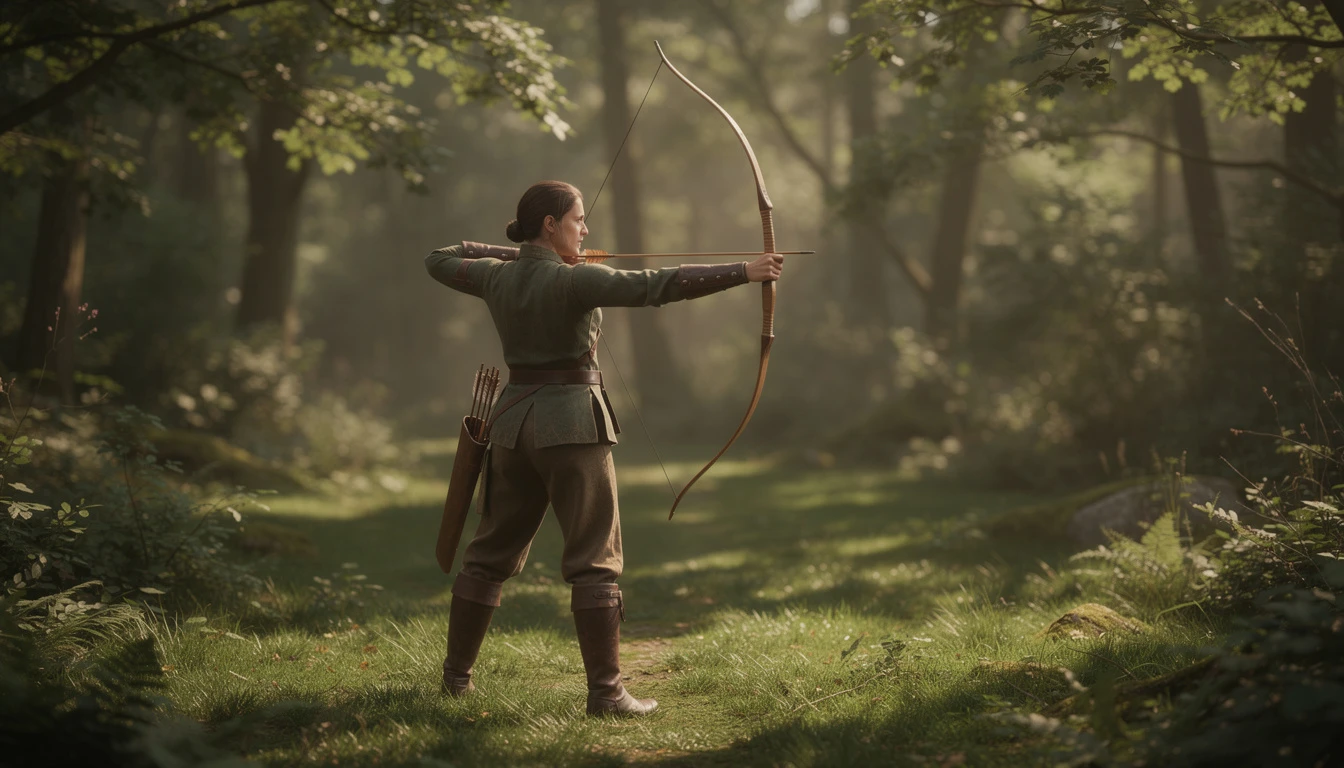
Whenever the topic of archery as a sport comes up, some envision a calm recreational activity, while others picture skilled athletes competing at the highest level. So, is archery truly a sport or just an enjoyable pastime? Exploring this question uncovers not only the rich history of archery but also how it thrives as both a competitive discipline and a tool for personal growth.
Understanding what defines a sport
When considering whether archery qualifies as a sport, definitions are important. Most sports require physical effort, recognized rules, competition, and skill. Archery meets all these criteria with remarkable precision, challenging body and mind in unique ways. The real discussion isn’t about classification, but rather about appreciating the specific qualities that set archery apart.
There are those who wonder if activities without constant intense movement can be considered true sports. In reality, many well-respected disciplines such as shooting, golf, or curling focus more on accuracy and mental skills than pure athleticism. Archery stands confidently among them, demanding mastery of control, focus/concentration, and refined technique.
A look back: the history of archery
Long before gaining recognition as an olympic sport, archery played a vital role in human civilization for thousands of years. Early societies relied on bows and arrows for survival, hunting, and warfare, building entire cultures around this essential skill.
Today, the ancient roots of archery add to its allure. Whether practiced by legendary warriors or children learning basic form, the spirit behind every arrow ties people to a vast lineage of innovation and tradition.
From tradition to competition
The evolution from necessity to recreational activity began as society changed. As daily life moved away from hunting, archery became a source of entertainment and leisure. Clubs appeared across Europe and Asia, creating formal competitions and encouraging enthusiasts to sharpen their abilities.
This transition paved the way for standardized rules, modern equipment, and defined categories, eventually leading to international contests and inclusion in the Olympics.
Olympic recognition and global growth
Archery officially joined the ranks of olympic sports in the early 20th century, marking its full acceptance within the sporting world. Since then, national teams train year-round, and fans enjoy dramatic showdowns during each Games. This visibility inspires countless newcomers to explore the sport themselves.
With Olympic exposure, advances in materials and training methods have continued to elevate performance standards at every level, fueling the ongoing global growth of archery.
The structure of archery as a sport
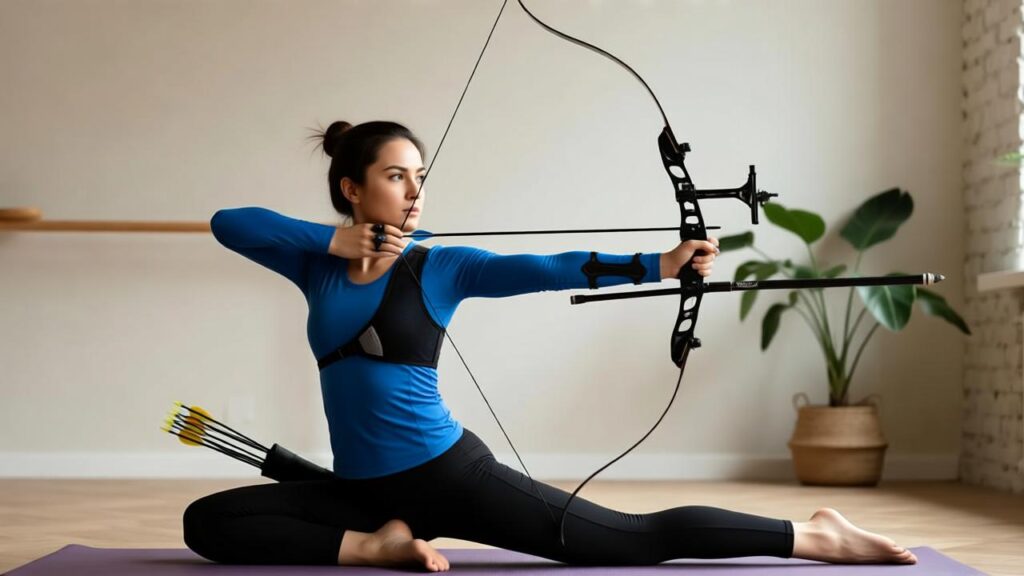
As a competitive sport, archery operates under clear-cut rules, standardized scoring systems, and a variety of event formats. Competitions range from local tournaments to world championships, covering indoor and outdoor shoots, targets at different distances, and even dynamic field courses that replicate real-world conditions. Both individual and team events are available, appealing to every type of competitor.
One defining feature is the premium placed on precision. Success often comes down to millimeters—sometimes separating gold from silver. Even the smallest inconsistency can shift outcomes, especially during high-pressure matches where nerves and concentration are tested to the limit.
Physical and mental benefits unlocked by archery
The rewards of practicing archery extend far beyond what many expect. Unlike sports governed mainly by speed or power, archery values discipline, patience, and self-control, offering a distinctive range of benefits for dedicated participants.
Training helps develop muscles throughout the upper body, core, and legs, enhancing balance and stability. At the same time, archers spend hours perfecting posture and shot routines, becoming acutely aware of how subtle adjustments influence results.
Physical benefits beyond expectation
It may surprise some how physically demanding archery actually is. Drawing a bowstring requires steady strength in the back, shoulders, arms, and hands. Repetition builds endurance and resilience, with committed archers improving stamina over time.
Beyond muscle tone, regular practice enhances coordination and proprioception. The continuous feedback—from stance alignment to anchor point and release—drives steady progress in overall body control.
Mental benefits: more than meets the eye
No exploration of archery would be complete without acknowledging its positive effects on the mind. Every shot draws deeply on focus/concentration, encouraging archers to quiet distractions and find inner calm. This meditative aspect can help reduce stress and improve clarity of thought.
Setting goals is central to the experience as well. Tracking progress and working towards greater consistency provides motivation that goes well beyond medals or rankings. Many archers discover increased confidence as they overcome obstacles and reach personal milestones.
Accessibility and inclusivity: who can participate?
One of the most remarkable aspects of archery as a sport is its accessibility and inclusiveness. Nearly anyone, regardless of age, background, or physical ability, can get involved at their own pace. Adaptive equipment enables people with disabilities to participate fully, while community clubs worldwide offer supportive environments for beginners.
Whether someone seeks casual enjoyment or dreams of standing atop a podium, there’s a welcoming path into the world of archery. Because success relies heavily on finesse and mindset, participants from diverse backgrounds often share the same playing fields.
- Youth programs foster coordination and responsibility.
- Senior leagues allow older adults to remain active in competition.
- Paralympic divisions adapt rules and gear for varying needs.
- Social nights promote camaraderie and relaxation outside of work.
Frequently asked questions about archery as a sport
What makes archery different from other competitive sports?
Archery highlights precision, focus/concentration, and repetition, rather than relying on raw speed or sheer strength. While many competitive sports are fast-paced, archery demands that competitors maintain composure and control at every step. Scoring prioritizes accuracy above all else, and mental discipline often proves as decisive as technical skill.
- No direct physical contact between athletes
- Main objective: hit target with highest possible precision
- Pace determined individually rather than by constant action
How does one start practicing archery safely?
Beginning safely means joining a reputable club or taking lessons from certified coaches. Beginners quickly learn proper technique, safety protocols, and equipment care. Protective gear like armguards and finger tabs helps minimize risk of injury, ensuring a smooth introduction to regular practice.
- Find a certified instructor
- Use appropriate protective gear
- Follow established range safety procedures
Can archery be both a recreational activity and a serious sport?
Definitely! Archery offers something for everyone, from relaxed sessions enjoyed with friends to elite tournaments attracting participants from around the world. Those seeking a challenge may compete, while others prefer casual shooting for relaxation or fitness. The experience adapts entirely to individual interests and aspirations.
- Casual target shooting for recreation or fun
- Structured league play and tournaments for competition
- Adaptive formats suitable for all ages and abilities
What physical and mental attributes contribute most to success in archery?
Sustained strength in the upper body, excellent coordination, and reliable hand-eye alignment are crucial for accurate shooting. Mental qualities such as patience, perseverance, and unwavering focus/concentration support peak performance through each round or match. Over time, archers refine routines that unite physical readiness with mindful presence.
| Physical Attributes | Mental Attributes |
|---|---|
| Shoulder strength | Focus/concentration |
| Good posture | Patience |
| Coordination | Perseverance |