
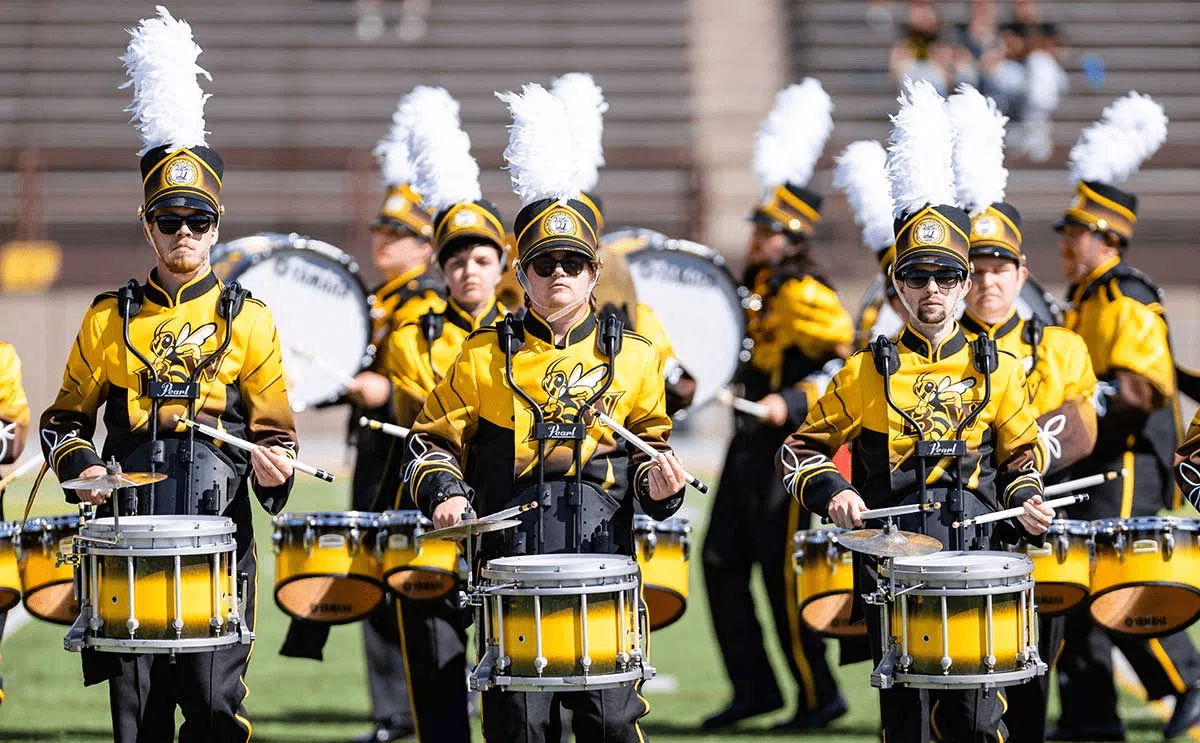
The question of whether marching band belongs in the realm of sport or performance art is a topic that sparks lively discussion. Across schools and communities, debates over sport classification, physical exertion, team coordination, and competition keep this conversation alive. Taking a closer look at these aspects uncovers some fascinating perspectives on what makes marching band such a unique activity.
The debate over marching band’s sport classification
For decades, conversations have swirled around whether marching band counts as a sport. Supporters highlight rigorous practices, demanding performances, and structured competitions as evidence for elevating its status. Meanwhile, those who see it differently often point to its artistic elements, suggesting that it differs from traditional sports like football or basketball. Regardless of opinion, the debate endures and continues to evolve.
This topic resurfaces each season, especially during school events where band members perform alongside athletic teams. The ongoing controversy generates passionate responses and encourages a deeper exploration into what truly defines a sport.
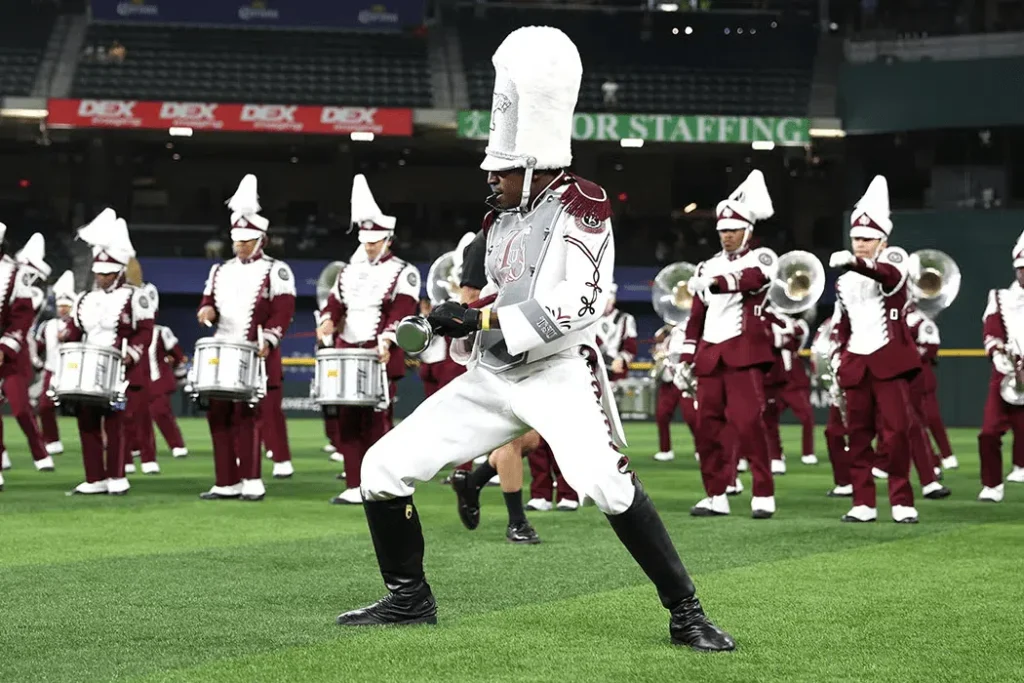
Defining a sport: Where does marching band fit?
A significant part of the disagreement comes from how one defines a sport. Most dictionaries describe sport as involving physical exertion, skill, and competition among individuals or teams based on set rules. Marching band certainly features all these components. Members move with speed and precision while handling musical instruments, flags, or props, meeting several key criteria found in standard definitions of sport.
Yet, the label of performance art is still attached to marching band. Choreographed movements, visual presentation, and musical interpretation remain central to every show. This blend of athletic and artistic qualities creates confusion about where the marching arts fit within mainstream sports.
Team coordination and technical skills
Success in marching band relies heavily on team coordination, much like any team sport. Each member must maintain step, achieve precise formations, and contribute to a synchronized result. With bands sometimes numbering in the hundreds, managing logistics demands discipline and excellent communication—qualities essential in competitive sports.
Technical skills are equally important. Learning complex routines, mastering music passages, and executing seamless transitions require hours of practice, just like preparing for an athletic event. Musicians juggle breath control, instrument positioning, memorization, and physical endurance all at once.
Physical exertion and endurance in marching band
Anyone who has participated in marching band can attest to the intense physical exertion involved. Long rehearsals under the sun, miles marched while carrying heavy instruments, and moments of breathlessness are common experiences. These realities closely mirror the demands found in recognized sports.
Endurance is another crucial aspect. Performances typically last between eight and fifteen minutes, offering little time for rest. Rehearsals frequently stretch over multiple hours, especially in preparation for major competitions. Proper conditioning is vital, as injuries and exhaustion can sideline participants much like athletes in other disciplines.
Examples of high physical demand
Certain positions demonstrate the highest levels of physical strain. Percussionists hauling bass drums or tuba players maneuvering large brass instruments take on significant loads. Color guard members toss flags and rifles while incorporating dance steps, requiring considerable strength and stamina.
Many students participate in fitness routines focused on running, stretching, and strengthening—workouts similar to those designed for athletes in various fields. The expectation to remain in peak physical condition is present throughout every successful program.
Comparisons with other sports
Examining training regimens reveals clear similarities between marching band and sports such as soccer, basketball, or track. Both emphasize repetitive drills, regular feedback from coaches (or band directors), and strategies to minimize injury. Studies indicate that the calories burned and muscles engaged during marching band can match those seen in several field sports.
Competition schedules also reflect those of athletics. Bands prepare for regional and national contests, facing judging panels that assess precision, creativity, and execution. Victories and rankings are celebrated in ways reminiscent of tournaments in more conventional sports.
Recognition and credit in schools
The matter of recognition within educational institutions adds another layer to the discussion. Some schools grant PE credits for participation in marching band, acknowledging its contribution to student fitness and teamwork. In contrast, others categorize it solely as an extracurricular performing art. This inconsistency further complicates the ongoing debate regarding sport classification.
Discussions at school board and parent-teacher meetings highlight just how challenging it is to categorize marching band. Decisions made here influence everything from scheduling and funding to recruitment of future participants.
- Rigorous auditions and selection processes resemble those found in varsity sports.
- Annual budgets may depend on official recognition for access to athletic resources.
- Uniforms, travel, and equipment requirements rival those of typical athletic activities.
Competition and performance aspects
Competitions are central to why many advocate for classifying marching band as a sport. Ensembles invest months designing shows, perfecting movements, and refining music to impress judges and outperform rivals. Rivalries develop, championships are earned, and trophies line the shelves of dedicated bands.
The performance aspect cannot be ignored, however. Marching band thrives on both athletic and creative foundations. While scoring systems reward technical proficiency and synchronization—the hallmarks of sporting events—the emotional impact and storytelling showcase pure artistry. This fusion sets marching band apart from traditional athletic activities while maintaining plenty of overlap.
Questions about marching band as a recognized activity: frequently discussed answers
Does marching band meet the physical requirements found in sports?
Many agree that marching band involves considerable physical exertion. Participants spend hours rehearsing, moving in sync across fields, and handling heavy equipment. Schools often incorporate warm-ups, stretches, and cardiovascular drills into their band programs.
- Long-distance marching
- Lifting and carrying heavy instruments
- Aerobic endurance during halftime performances
How do schools decide if marching band qualifies for PE credits?
School policies differ widely depending on district preferences and leadership perspectives. If physical fitness standards are considered, marching band frequently meets the requirements for PE credits. Districts often review rehearsal schedules, energy expenditure, and the level of team coordination before making a decision.
- Alignment with fitness programming
- Comparison with other sports’ time commitments
- Assessment of health benefits gained by students
In what ways does marching band involve competition?
Competition forms a cornerstone of the marching band experience in many schools. Ensembles train extensively for local, regional, and national contests throughout the academic year. Judging categories usually include musicality, choreography, visual effect, and overall execution.
| Category | Description |
|---|---|
| Musical performance | Quality of sound and accuracy |
| Visual presentation | Precision in drill formations |
| Overall effect | Impact and creativity of the show |
What technical skills are developed in marching band?
Participants develop a wide range of technical skills beyond basic musicianship. They learn to read drill charts, memorize intricate show designs, and execute rapid formation changes. Precision timing, accurate pitch, expressiveness, and physical agility all come together in each performance.
- Instrument control while moving
- Spatial awareness in large groups
- Simultaneous physical and mental focus