
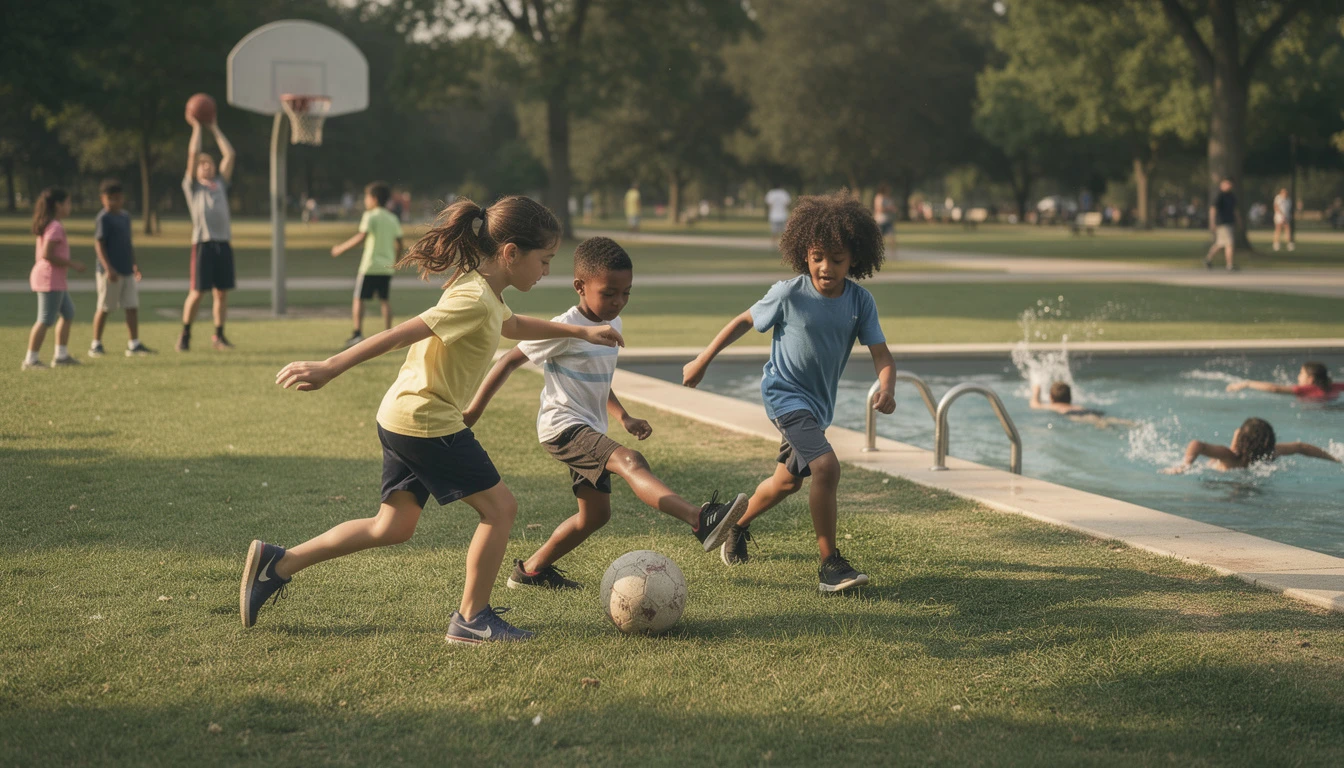
Finding the best sport for children often sparks lively debates among parents and educators. With so many options—soccer, basketball, swimming, tennis, gymnastics, and even martial arts—the process can seem overwhelming at first glance. Each child has a unique temperament and interests, and what works perfectly for one might not suit another at all. Exploring a variety of activities uncovers hidden talents while supporting both physical development and social skills.
Why should children get involved in sports?
Participating in sports goes far beyond developing athletic prowess. Sports nurture healthy growth, motivation, and essential life skills from an early age. Teamwork, discipline, and resilience are values instilled on the field or court, often lasting well into adulthood. Becoming familiar with winning, losing, and fair play also helps build character that serves children in countless situations outside of sports.
Engaging in regular physical activity reduces health risks for children. Ball sports such as football, tennis, and basketball cultivate coordination and balance, while activities like gymnastics and swimming focus on overall strength and flexibility. Sports foster friendships, boost confidence, and encourage kids to challenge themselves by stepping beyond their comfort zones.
Team sports versus individual sports: Which fits better?
A primary consideration involves weighing the benefits of team sports against those offered by individual pursuits. Children who thrive in groups may feel more comfortable and motivated when surrounded by teammates, while others enjoy mastering a skill independently at their own pace. There’s no single formula, but exploring both types often helps form the perfect blend for personal growth.
Popular team sports for kids
Soccer frequently stands out thanks to its global popularity and simple rules, providing an excellent starting point for many youngsters. It promotes cardiovascular fitness, quick decision-making, and sets the stage for learning collaboration early on.
Basketball delivers fast-paced excitement, requiring hand-eye coordination, agility, and spatial awareness. Baseball and softball appeal to kids interested in strategy and precision, bringing together elements of teamwork and patience throughout every game played.
Individual sports kids often love
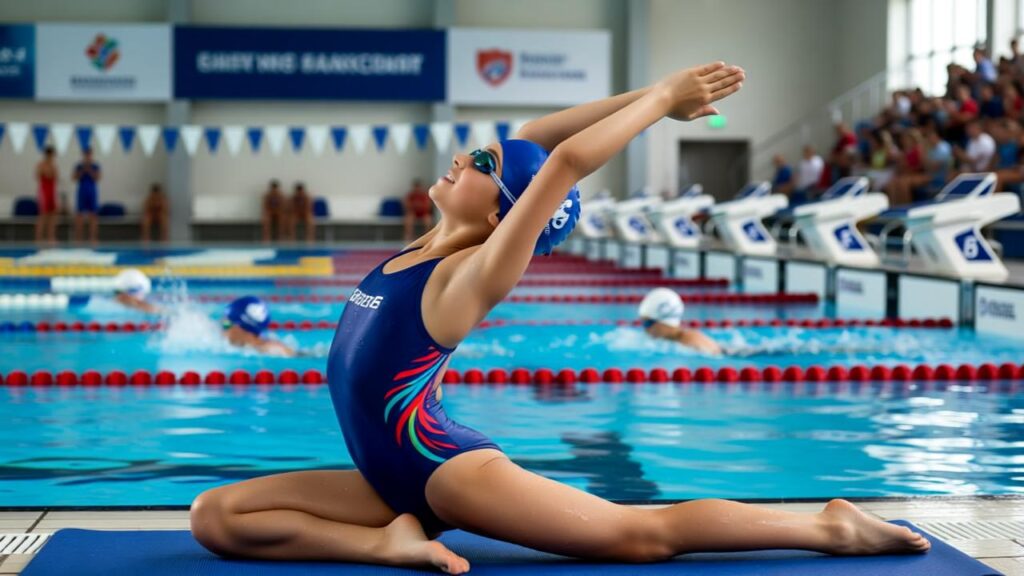
Swimming supports total-body fitness while emphasizing self-improvement and goal setting. Tennis offers similar benefits, blending aerobic activity with sharp reflexes and strategic thinking. Martial arts, including karate, instill respect, self-discipline, and mental toughness, offering shy children a route to transformation through personal achievement.
Gymnastics shines for those drawn to acrobatics, building strength, balance, and coordination. Track and field creates room for those eager to compete in running or jumping disciplines, inviting young athletes to explore a spectrum of events according to interest and talent.
How do different sports support healthy development?
Each sport comes with a unique set of perks tailored to different facets of a child’s physical and mental development. While the main goal remains enjoyment, structured training plays an equally important role in motor learning and psychological wellbeing.
Building physical abilities
Soccer and basketball speed up footwork and cardiovascular endurance, which are crucial during growth phases. Swimming enhances joint mobility, core strength, and breath control without stressing the joints, making it suitable even for younger or less coordinated children.
Volleyball improves reaction times, hand-eye coordination, and team communication. Gymnastics prioritizes muscle tone, posture, and flexibility. Meanwhile, hockey (including street hockey) introduces full-body movement, teamwork, and stick-handling skills—ideal for energetic children looking to burn off steam.
Mental and emotional benefits
Sports help children manage setbacks constructively, whether bouncing back after a missed shot in baseball or accepting defeat gracefully in a tennis match. Learning these lessons early on promotes resilience and adaptability.
Participation in martial arts reinforces mindfulness and calm under pressure, equipping kids to cope with stress in daily life. The camaraderie of volleyball or track teams nurtures empathy, responsibility, and leadership in subtle but lasting ways.
Factors to consider when selecting a sport
Every family faces distinctive circumstances that influence the choice of sport for their children. Age, physical maturity, attention span, level of competitiveness desired, and access to facilities all weigh into the decision. Interest remains vital for sustained participation—a child who eagerly anticipates soccer practice receives far greater benefit than one forced onto the pitch each week.
A few helpful considerations include:
- Child’s temperament—does being with peers motivate them, or do they prefer solo challenges?
- Required equipment, costs, and local availability
- Coach qualifications and club philosophy
- Time commitment and seasonal obligations
- Health status or previous injuries
With so much variety—from squash courts to street hockey rinks—the most rewarding experiences spring from genuine curiosity and joy rather than pressure to excel or fit in.
Getting started: Encouragement and support matter most
The initial experience in any sport shapes a child’s long-term enthusiasm. Parental encouragement counts more than natural talent at the beginning, so providing opportunities to try several activities opens doors to new passions and possibilities.
Many community centers now offer trial sessions in everything from martial arts to swimming or volleyball. Rotating through introductory classes lets families observe how their child responds in varied environments before signing up for a season-long commitment. Enthusiasm tends to blossom when children feel safe and supported.
Common questions about choosing children’s sports
Is one sport better than others for all children?
No single sport universally suits every child. Children differ in personalities, preferences, and physical abilities. Some enjoy the cooperative nature of soccer while others excel individually in tennis or gymnastics. Allowing kids to test various sports leads to discovering what brings the most happiness and development.
When should children begin organized sports?
Most experts suggest waiting until age five or six for formal team sports, though basic activities such as swimming lessons or gymnastics may start earlier. Coordination, attention spans, and ability to understand instructions all play a role. Non-competitive programs let children build foundations first.
- Ages 3-5: Unstructured play, introduction to water, tumbling
- Ages 6+: Team practices, basic skill development, friendly matches
Which sports carry lower risk of injury for children?
Swimming, track and field, and badminton tend to have fewer contact-related injuries compared to sports like football or hockey. Supervision and proper equipment further reduce risks. Still, every sport requires warm-ups, cool-downs, and correct technique to keep participation safe and enjoyable.
| Sport | Relative Risk Level |
|---|---|
| Soccer | Moderate |
| Swimming | Low |
| Martial arts | Moderate |
| Baseball/Softball | Low |
| Hockey | Higher |
Can children switch sports if they lose interest?
Absolutely. Switching sports teaches adaptability and keeps motivation high. Early exploration helps children find the right fit, whether that’s martial arts, street hockey, or gymnastics. Encourage open conversations and observe reactions during practice to ensure continued enjoyment.