
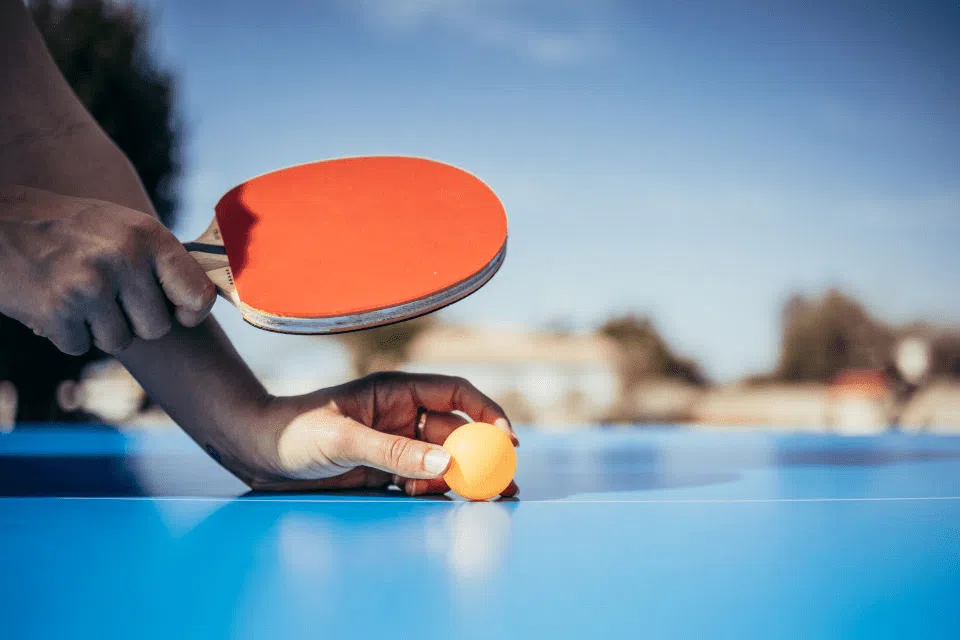
Whenever the topic of ping pong comes up, lively debates quickly follow. Some consider it a simple recreational activity or a backyard pastime, while others argue passionately for its recognition as a legitimate sporting activity. The distinction between ping pong and table tennis often adds fuel to this discussion, especially since only one holds the official status of an Olympic sport. It is worth exploring what truly defines ping pong—and whether it rightfully belongs in the world of sports, games, or perhaps both.
The origins: table tennis vs. ping pong distinction
Curiosity about where the line falls between a casual game and a full-fledged sport has existed for decades. While table tennis and ping pong share common roots, many now draw a distinction between them. So, what actually separates these terms, and does that difference matter when deciding their category?
Originally, both started as parlor entertainment in Victorian England but have evolved dramatically over time. Today, global competitions operate under strict international rules, yet at friendly gatherings, informal matches still fill rooms with laughter. This contrast highlights the heart of the table tennis vs. ping pong distinction: a split between competitive intensity and relaxed recreation.
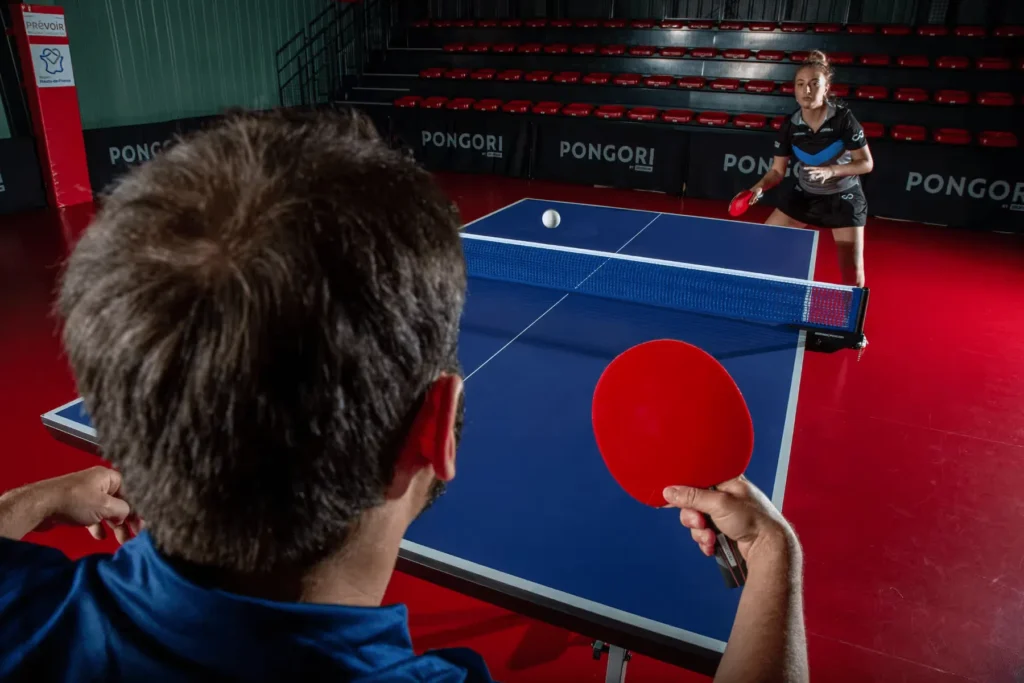
Competition-level table tennis versus social ping pong
On one side, table tennis is governed by international organizations and has been recognized as an Olympic sport since 1988. Here, expert skill, rigorous rules, and specialized equipment are the norm. Both physical demands and mental demands run high—players dedicate hours to sharpen reflexes and develop strategic play.
By contrast, social ping pong offers more freedom. Rules may be flexible, and competition is not always the focus. In basements or garages, enjoyment takes priority, though moments of real athletic exertion and impressive rallies can still emerge unexpectedly.
The impact of environment and intention
The setting plays a major role in shaping perceptions of ping pong. Within community leagues or school clubs, the atmosphere often blends fun and earnestness. However, once the pace quickens and speed and precision become critical, it becomes clear that the required skills overlap with those found in more traditional sports.
Athletes frequently emphasize that attitude influences any sporting activity. Whether in formal tournaments or casual settings among friends, motivation and concentration not only affect results but also determine how participants view themselves—as hobbyists or serious competitors.
Comparing physical and mental demands
To label something as a sport usually means it challenges both body and mind. Ping pong fits this description, even if in subtler ways compared to contact-heavy activities like football or rugby. Anyone who has competed quickly discovers just how much athletic exertion is packed into a single set.
Every point requires a combination of agility, strength, and focus. Many are surprised by the sweat generated during a tense rally after chasing fast spins and sharp serves firsthand.
Physical aspects: agility, reflexes, and beyond
Beneath the quick taps and soft bounces lies genuine athleticism. Matches can last for extended periods, keeping players in near-constant motion. Agility and reflexes become invaluable; reacting to shots exceeding 60 miles per hour requires lightning-fast instincts and nimble footwork.
This sport also places great emphasis on hand-eye coordination. Each shot relies on precisely timed movements—a slight miscalculation can cost points. Over time, regular play enhances fine muscle control and boosts cardiovascular fitness, dispelling the myth that ping pong involves minimal effort.
Mental challenges: strategy and concentration
Victory rarely depends solely on physical ability. Mental demands are ever-present in every match. Sustaining concentration is crucial, especially as the tempo increases or opponents change tactics mid-rally.
Experienced players read subtle cues, plan several moves ahead, and adjust strategies in real time. Speed and precision are as important mentally as they are physically. Maintaining sharp focus throughout rapid exchanges distinguishes seasoned athletes from recreational enthusiasts.
Why ping pong qualifies as a sport
Certain characteristics define all sporting activity, whether featured in the Olympics or celebrated within smaller communities. Ping pong checks almost every box: established rules, organized competition, dedicated governing bodies, and elite athletes. It rewards consistent training, discipline, and measurable improvement—qualities that belong to sports rather than mere games.
At elite levels, the competitive intensity rivals that of other racket sports. International events bring together national teams and produce highlight reels filled with astonishing moments. For countless players following strict regimens of practice and tournament participation, there is no doubt that ping pong stands among recognized sports.
- Physical demands: Constant movement and stamina required throughout matches
- Mental demands: Heavy reliance on tactical awareness, focus, and adaptability
- Olympic sport: Inclusion in the Olympic Games underscores global respect
- Hand-eye coordination: Crucial for both offense and defense in fast-paced play
- Agility and reflexes: Essential skills refined through regular practice
Although some might continue viewing ping pong purely as a recreational activity or game, its evolution into a competitive global arena demonstrates its dual nature. Ultimately, the dividing line depends more on approach and context than on terminology or equipment. Whether played casually or on a championship stage, ping pong meets nearly every criterion for a true sport.
Frequently asked questions about ping pong as a sport
How does ping pong differ from table tennis?
While many use ping pong and table tennis interchangeably, table tennis refers specifically to the standardized sporting activity governed by precise rules and organizations. Ping pong often describes informal or social versions where rules can be relaxed.
- Table tennis features official tournaments worldwide.
- Bats and balls may sometimes differ slightly between formats.
- Competitive intensity is higher in table tennis events.
What makes ping pong a “real” sport rather than just a game?
Ping pong fulfills key criteria shared by recognized sports: structured competition, well-defined rules, intensive training, and significant physical and mental demands. Competitive matches require outstanding hand-eye coordination, agility, and sustained concentration. Its inclusion as an Olympic sport further supports its status.
- Speed and precision are vital at advanced levels.
- Matches combine athletic exertion with strategic depth.
What skills are developed by playing ping pong competitively?
Players refine quick reactions, balance, and advanced techniques for serving and returning the ball. They also learn to handle stress and maintain concentration during intense rallies. Among the primary benefits:
- Enhanced hand-eye coordination
- Improved agility and reflexes
- Greater stamina and cardiovascular health
- Sharpened strategic thinking and adaptability
Has ping pong always been considered an Olympic sport?
Table tennis was added as an Olympic sport relatively recently, making its debut at the Seoul 1988 Summer Olympics. Since then, its international reputation has grown, attracting top athletes from around the world. Being part of the Olympic program helped confirm its place as a respected global sporting activity. To summarize:
| First Olympic appearance | 1988 (Seoul) |
|---|---|
| Core Olympic events | Singles & Doubles, Men & Women |
| Current popularity | Over 200 countries participate |