
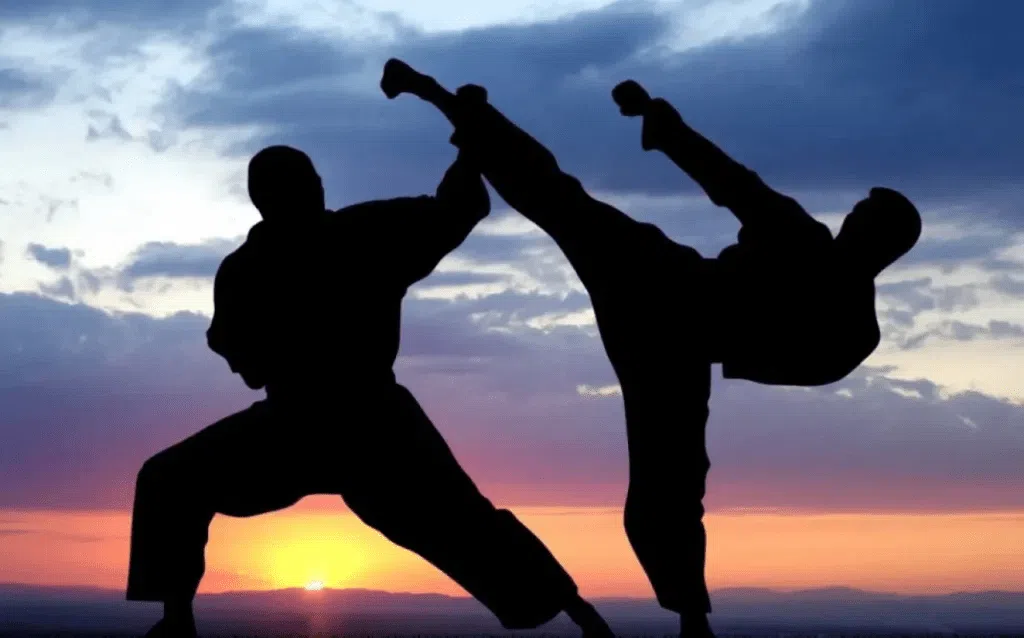
Many individuals regard martial arts as just another athletic pursuit, but is that really the full picture? The ongoing discussion about whether martial arts should be classified strictly as a sport raises fascinating questions regarding its purpose, origins, and practice. Anyone who has attended a karate tournament, watched a kung fu movie, or trained at a local dojo knows that this centuries-old discipline offers much more than simple competition. It is worth exploring what truly defines martial arts and where it belongs in the broader landscape of sports.
Understanding martial arts as a system of fighting
At its foundation, martial arts originated as systems of fighting designed for self-defense and survival. Before organized tournaments came into play, cultures across the world developed unique approaches to prepare people for real-life conflict. These methods blend striking, grappling, weapon techniques, and body control—with the primary goal being effectiveness in combat rather than collecting medals.
This historical context leads many to view martial arts primarily as a system of fighting. Techniques are created not only to score points, but also to neutralize opponents quickly and efficiently. Some traditional moves are considered too hazardous for sporting events and never make it to competition. This focus on practical application, combined with discipline, distinguishes martial arts from most mainstream sports.
The evolution into combat sports
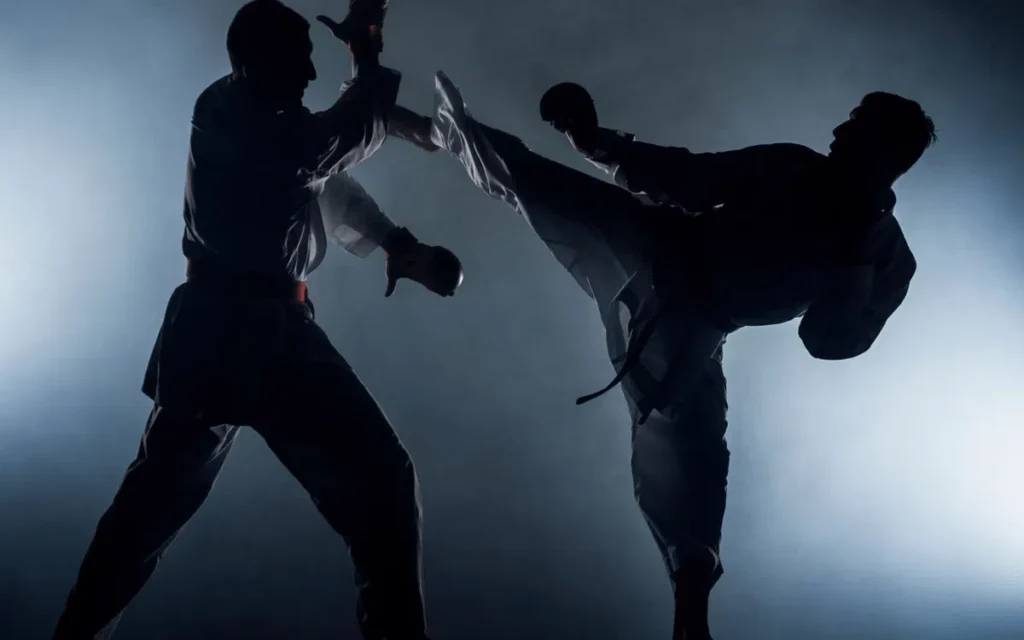
As societies grew more stable, martial arts gradually shifted toward recreational practice. Today, millions around the globe engage in these disciplines for friendly sparring, fitness, and organized competitions. Here is where martial arts evolve into combat sports, blending physical prowess with time-honored traditions.
Competition in martial arts: Rules and recognition
Modern competition in martial arts ranges from small community events to major international championships. With set rules, time limits, and weight classes, contests become safer and fairer for all participants. Each rule set may reward precision, stamina, or power, depending on the discipline.
Consider judo, taekwondo, or Brazilian jiu-jitsu—each features distinct scoring systems and event formats. These structures encourage athletes to hone both skill and strategy, mirroring the dedication seen in other competitive sports. In addition, the atmosphere of tournaments fosters camaraderie and development among practitioners.
Martial arts as an olympic sport
Recognition by organizations like the International Olympic Committee gives martial arts as an Olympic sport significant credibility. Judo and taekwondo are now part of the Summer Games, attracting elite competitors from every continent. To be selected, a martial art must meet strict standards concerning safety, global popularity, and consistent judging.
Olympic status increases visibility and motivates younger generations to train seriously. This bridge between tradition and modern sporting expectations brings more media attention and helps martial arts reach wider audiences each year.
Tradition versus sport: Where does martial arts fit?
This topic sparks passionate debate: Does competition overshadow the deep heritage of martial arts, or does it offer new ways to honor and safeguard age-old techniques?
Martial arts as a traditional sport
Some consider martial arts a traditional sport, merging ancient rituals with physical mastery. Training often includes forms (katas) inspired by ancestral movements, etiquette, and respect for instructors and fellow students. For many, these traditions matter just as much as athletic success or victories in the ring.
This traditional aspect keeps martial arts from becoming just another generic competition. Even amid spectacular kicks or powerful throws, practitioners learn humility, perseverance, and patience. Maintaining these customs connects today’s students with previous generations, turning every training session into a living legacy.
Martial arts versus sports distinction
While there is overlap, some prefer to maintain a martial arts versus sports distinction. Not every class emphasizes winning; sometimes, the emphasis is on developing self-control or gaining personal insight. Matches showcase technical ability, yet there is always space for meditation or philosophical reflection during practice.
For instance, tai chi highlights internal strength and harmony through flowing movements instead of competition. Capoeira blends dance, music, and acrobatics with its martial roots. These examples show that not all martial arts align themselves strictly with athletics.
The value beyond victory: Character development and art
Excellence in martial arts involves far more than strong performances under pressure. Practitioners emphasize character development and personal growth—qualities deeply embedded in daily training routines.
- Discipline developed through repetitive drills
- Respect demonstrated towards instructors and peers
- Self-confidence built over steady progress
- Problem-solving skills refined in unpredictable sparring scenarios
Mental resilience becomes just as important as physical ability. Regardless of match outcomes, these lessons extend well beyond the dojo. Adaptability, concentration, and emotional balance naturally emerge when one trains diligently within any style.
The idea of martial arts as an art form further expands this perspective. Movements can appear almost dance-like in advanced demonstrations, while choreographed weapon sets highlight creativity and cultural pride. Artistic expression stands alongside athletic achievement, broadening the scope of what martial arts represents.
Hybrid approaches in the modern era
The landscape grows even more interesting when considering how contemporary trends shape martial arts. Many styles now intermingle, resulting in innovative combinations and fresh challenges for enthusiasts.
Hybrid/combat sports (e.g., mma)
Mixed Martial Arts (MMA) serves as a prominent example, fusing striking disciplines such as boxing and kickboxing with wrestling and Brazilian jiu-jitsu. Fighters adapt constantly, using any effective tool to gain an advantage in the cage. Spectators are drawn to the unpredictability and athletic excellence displayed by MMA athletes.
Other hybrid approaches continue to emerge, encouraging experimentation and innovation. While some purists worry about losing traditional identity, this evolution keeps martial arts dynamic and accessible for newcomers seeking a comprehensive workout or exciting contest.
The ongoing appeal of self-defense
Despite the spectacle of televised fights and shining trophies, martial arts remains closely tied to self-defense. Students build confidence knowing their training equips them with practical skills for unexpected dangers. Courses focused on personal safety and situational awareness are in high demand everywhere.
In addition to security, these abilities foster mindfulness, keen observation, and calm reactions in stressful situations—a priceless benefit that surpasses statistics or match results.
Common questions about the nature of martial arts
Can martial arts be considered both a sport and a system for self-defense?
Absolutely, martial arts functions in both realms. Structured tournaments emphasize rules and point scoring, yet core principles keep self-defense effectiveness at the heart of training. Over time, these purposes blend, allowing practitioners to adapt according to their needs.
- Sport-oriented schools may modify techniques for safety.
- Traditional dojos often focus on practical applications.
Which martial arts qualify as olympic sports?
Only certain martial arts have earned Olympic recognition, after meeting strict standards for popularity and standardization. Currently, judo, taekwondo, and karate have been included in recent Games. Others, like wushu, continue their campaigns for future selection.
| Olympic Martial Art | Year Introduced |
|---|---|
| Judo | 1964 |
| Taekwondo | 2000 |
| Karate | 2020 |
What distinguishes martial arts as an art form compared to other sports?
Unlike most conventional sports, martial arts links athletic performance with creative and philosophical dimensions. Ritual, choreography, and a focus on inner discipline provide artistic and spiritual qualities not commonly found elsewhere.
- Forms express cultural heritage and visual beauty.
- Training might include calligraphy, music, or meditative practices associated with martial study.
Are hybrid/combat sports replacing traditional martial arts?
Hybrid and combat sports such as MMA attract large audiences and generate enthusiasm, but traditional martial arts remain popular worldwide. Both coexist, giving individuals options based on their preference for heritage or for adaptable, mixed-skill environments.
- Gyms frequently offer courses in classic and hybrid disciplines.
- Practitioner goals influence which style holds greater long-term relevance.