
Volleyball captivates fans worldwide with its fast-paced action, impressive teamwork, and undeniable competitive spirit. There is often curiosity about its status on the world’s most prestigious sporting stage. Does volleyball truly belong among olympic disciplines? A look through history reveals a fascinating story—one that blends athletic skill, global growth, and memorable olympic victories. This exploration uncovers how volleyball achieved olympic sport status, what set it apart during its debut, and why its olympic legacy continues to stand out.
The path to olympic sport status
To understand whether volleyball is an olympic sport, it is necessary to revisit the intricate process of athletic governance. Gaining recognition from the international olympic committee is no simple feat. It takes years of dedicated advocacy, rising popularity, and structured international oversight before any sport reaches this level.
The international olympic committee considers several criteria when evaluating new olympic disciplines: widespread participation, established rules, and a strong commitment to fair competition. Volleyball excelled in each category, earning admiration as a high-energy team sport even before its official introduction to the games.
The olympic debut in 1964: the turning point
Indoor volleyball made its grand entrance onto the olympic stage during the 1964 Summer Games in Tokyo. This event was more than just a first appearance—it represented a huge milestone for athletes and nations already passionate about the game. That year, volleyball solidified its place among celebrated olympic disciplines.
For those interested in olympic history, the 1964 debut stands out for another groundbreaking reason: both men’s and women’s competitions were introduced at the same time. Unlike many sports where gender equality arrived much later, volleyball immediately set a forward-thinking standard, boosting its reputation as a true olympic discipline.
From demonstration sport to full-fledged medal event
Before officially gaining olympic sport status, volleyball had a stint as a demonstration sport. These early showcases allowed spectators and organizers to test new events. When volleyball transitioned from demonstration matches to becoming a core medal event, enthusiasm soared around the globe.
This transformation highlights how a sport can evolve from modest exhibitions to taking center stage under the olympic spotlight. The leap from demonstration to medal event demanded dedication from federations, athletes, and supporters alike.
Importance of both men’s and women’s competitions
Introducing both men’s and women’s competitions right from volleyball’s first olympic appearance changed everything. This immediate inclusivity offered rare equality compared to other olympic disciplines, where women sometimes waited decades for their chance. Nations began building programs with renewed pride, knowing male and female competitors could share the same prestigious platform.
This gender balance has enhanced volleyball’s image as a truly global, community-driven team sport, further strengthening its standing within the olympics over the years.
The evolution: indoor volleyball and beach volleyball
While many associate volleyball mainly with its indoor form, the sport’s olympic history shows continuous adaptation. Today, two exciting formats feature in the olympic schedule, attracting different audiences and creating unforgettable moments every time the torch is lit.
Both indoor volleyball and beach volleyball now thrill fans worldwide, thanks to their distinct playing styles and settings. Yet they share a common thread: both have earned coveted olympic sport status and contribute equally to the sport’s growing legacy.
Indoor volleyball: always a showstopper
Since joining the lineup of olympic disciplines, indoor volleyball has delivered legendary matches, incredible rallies, and pure displays of athleticism. The game emphasizes coordination, split-second decisions, and teamwork under pressure. Massive arenas fill with energy as nations compete, creating memories that last long after the closing ceremony.
Countries like Brazil, Russia, and the United States regularly contend for medals, fueling intense rivalries and loyal fan bases. With its blend of speed, tactics, and drama, indoor volleyball remains one of the most anticipated events of every olympic cycle.
Beach volleyball: sun, sand, and spectacle
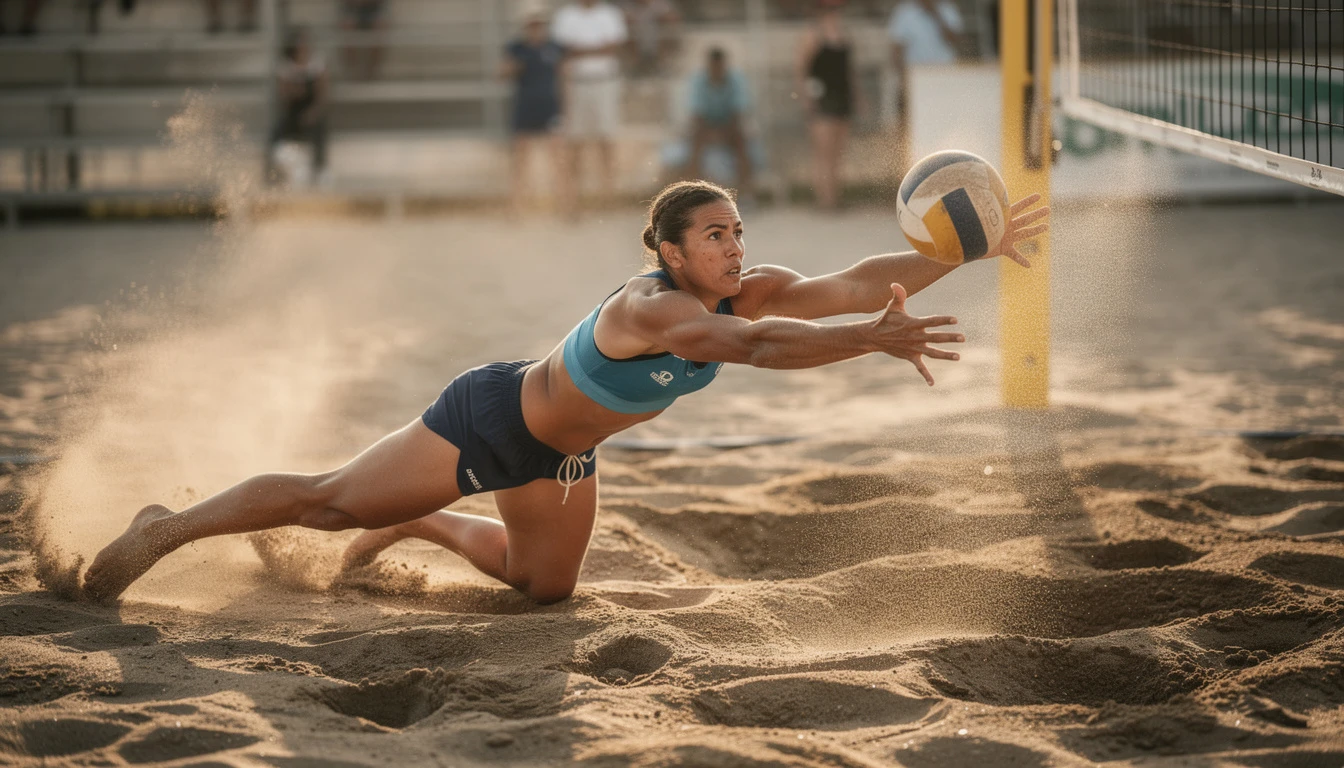
Beach volleyball became part of the olympic disciplines in Atlanta, 1996. Its vibrant atmosphere, striking visuals, and unique format instantly drew attention and injected fresh excitement into the games. The sport’s mix of agility, reflexes, and partnership has made it a favorite for both spectators and broadcasters.
Pairs battle shifting sands, unpredictable weather, and skilled adversaries while delivering spectacular plays. Beach volleyball swaps the stadium for sun and sea breeze, offering something truly distinctive within the olympic program.
What secures volleyball’s ongoing place in the olympics?
The continued prominence of both indoor and beach volleyball rests on several key pillars. These elements ensure that volleyball maintains its olympic sport status while evolving alongside the changing landscape of global athletics.
- Global reach: More than 200 nations participate in competitive volleyball.
- Medal opportunities for both genders foster equality.
- High viewership fuels lasting fan engagement across continents.
- Role-model athletes inspire the next generation to get involved.
- Robust international governance aligns with international olympic committee standards.
Each olympic edition introduces new contenders, showcasing volleyball’s ongoing development worldwide. Tournament structures, qualification methods, and outreach efforts continue to adapt, ensuring volleyball remains one of the most dynamic and appealing olympic disciplines.
Frequently asked questions about volleyball’s olympic journey
When did volleyball make its olympic debut?
Volleyball made its official olympic debut in 1964 during the Tokyo Summer Olympics. Both men’s and women’s indoor volleyball tournaments were included from the start.
- First olympic appearance: 1964, Tokyo
- Both genders participated from the beginning
- Marked a major shift in olympic disciplines
How many types of volleyball are included in the olympics?
Currently, there are two forms of volleyball recognized as olympic disciplines: indoor volleyball and beach volleyball. Each features separate men’s and women’s competitions, resulting in four sets of medals.
- Indoor volleyball (since 1964)
- Beach volleyball (added in 1996)
| Type | Year added |
|---|---|
| Indoor volleyball | 1964 |
| Beach volleyball | 1996 |
Why is volleyball considered a popular olympic team sport?
Volleyball holds its popularity due to exciting rallies, rapid gameplay, and the constant potential for dramatic turnarounds. As a team sport, it demands strategy and coordination, drawing viewers from all corners of the globe.
- Fast-paced matches
- Impressive athletic performances
- Equal representation for male and female athletes
- Strong international rivalries
Has volleyball ever served as a demonstration sport at the olympics?
Before being awarded permanent olympic discipline status, volleyball appeared as a demonstration sport. This gave organizers a chance to assess audience interest and fine-tune logistics. The positive response played a crucial role in volleyball’s eventual acceptance as a full medal event.
- Transitioned from demonstration status to full olympic sport
- Helped raise volleyball’s profile internationally