

Sport weight yarn often catches the eye as just another option on the craft store shelf, yet it holds a unique position between thinner and thicker varieties. Many crafters appreciate its balance—thicker than fingering, yet thinner than DK—which opens up a wide range of creative opportunities. This guide explores what makes sport weight yarn special, how to use it effectively, and which projects highlight its strengths.
What defines sport weight yarn?
This lightweight yarn comfortably fits into the middle range when considering common yarn thicknesses. The CYC classification labels it as number 2 yarn, placing it among versatile lighter weights while still providing enough sturdiness for various patterns. Understanding where sport weight sits compared to other yarns helps narrow down project choices or substitute fibers more confidently.
Knitters and crocheters can sometimes feel overwhelmed by terminology, especially with labels like ‘baby,’ ‘fine,’ or abbreviations such as DK (double knitting). In essence, sport weight is thicker than fingering but thinner than DK yarn. With this distinction, crafting lightweight garments that maintain drape without unnecessary bulk becomes much easier.
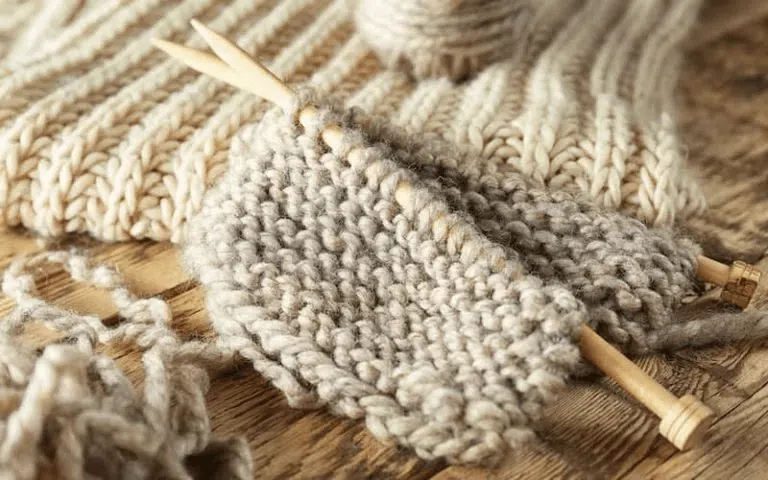
Comparing thickness and applications
Sport weight yarn is a go-to choice for projects requiring a fabric that is soft and not too bulky. Its medium-thin size offers both flexibility and warmth, making it an excellent candidate for adult and baby wardrobes alike.
For those weighing their options, a comparison helps clarify:
- Fingering weight: Slightly thinner, ideal for delicate socks or lacework.
- DK weight: Offers more heft, commonly used for warmer sweaters and bulkier items.
- Sport weight: Falls neatly in the middle, giving more structure than fingering while feeling lighter than DK.
When aiming for precise gauge or specific textures, paying attention to thickness relative to other yarns saves valuable time during finishing tasks like blocking and seaming.
The moderate thickness of sport weight yarn makes it suitable for cardigans, soft sweaters, and flowing shawls. Patterns designed for baby garments—like hats, booties, and diaper covers—often recommend this category due to its gentle touch and warmth. For enthusiasts of colorwork, sport weight delivers crisp definition in mosaic or fair isle designs, and textured stitches or cabling appear beautifully distinct.
Technical specifications and recommendations
Comfort and accuracy in crafting depend on understanding a few essential details before starting a project. These technical specs help ensure the right skeins are chosen, whether the goal is heirloom-quality socks or easy layering tops.
Working with sport weight usually calls for smaller needles or hooks than heavier yarns. Most labels suggest US size 3–5 needles (about 3.25 mm to 3.75 mm) for best results. Staying within these guidelines creates fabric that is neither too loose nor stiff, allowing stitch patterns to stand out.
It is always wise to test a gauge swatch first, since fiber blend and personal tension may affect the outcome. Those pursuing intricate colorwork or textured stitches/cabling particularly benefit from accurate sizing—it prevents saggy finishes or overly tight closures. The lightweight quality ensures breathable yet durable coverage, perfect for athletes seeking layerable pullovers, knitters creating fitted tees, or parents choosing comfortable baby keepsakes. Socks crafted from sport weight provide cozy coverage without feeling bulky inside shoes—a practical choice for daily wearers. Sweaters and tees made with this yarn often turn out supple and flattering, gently hugging curves instead of bunching up, which many handmade clothing fans love.
Project inspiration: beyond the basics
Exploring sport weight yarn unlocks possibilities for playful stitches and stylish layering pieces. Whether crafting autumn cowls or spring shrugs, this yarn category is filled with potential for texture and vibrant color combinations.
Popular uses for sport weight yarn include:
- Slim, elegant sweaters that retain warmth
- Baby garments prized for softness and ease of care
- Socks offering cushioned comfort with a snug fit
- Shawls and wraps featuring fluid drape and movement
- Projects showcasing textured stitches or cabling
Layering pieces made with sport weight pair effortlessly with jeans, winter coats, or light dresses. Even smaller accessories like mittens and hats benefit from the improved fit and style compared to chunkier alternatives.
When working with lightweight yarn like sport weight, adjusting certain techniques pays off. Some soft blends may split more easily, so careful stitch placement is important. Smooth, round yarns enhance cables and textured stitches, while multi-ply options excel in colorwork clarity.
- Select simple, repetitive stitches to highlight the yarn’s softness.
- Experiment with pastels or bold contrasts for striking colorwork effects.
- Block finished pieces gently to maintain shape and elasticity.
Using a large-eyed tapestry needle helps weave in ends discreetly, especially with finely spun sport weight that could unravel if handled roughly. Lightweight fastenings—such as buttons or ties—are preferable to avoid weighing down delicate pieces.
Frequently asked questions about sport weight yarn
What is sport weight yarn classified as in the cyc system?
Sport weight yarn is designated as category number 2 by the Craft Yarn Council (CYC). This places it squarely between fingering (sometimes called super fine) and DK (double knitting) in terms of thickness. Referring to this standard helps knitters choose the correct yarn for any project by comparing consistent weights across brands.
- CYC #0: Lace
- CYC #1: Super Fine/Fingering
- CYC #2: Sport Weight
- CYC #3: DK/Light Worsted
Is sport weight yarn suitable for sweaters and socks?
Absolutely, sport weight yarn is a favorite for sweaters and socks. It yields a fabric that is light and wearable for sweaters, offering ample warmth for transitional seasons. Sock projects benefit from the slight extra cushioning compared to fingering weight, resulting in handcrafted socks that remain both durable and soft without overheating the feet.
- Soft sweaters with less bulk
- Everyday socks for comfort and breathability
What needle sizes are recommended for sport weight yarn?
Recommended needle sizes for sport weight yarn typically range from US 3 to US 5 (3.25 mm to 3.75 mm). Adjustments should be made based on the specific project, yarn fiber content, and personal tension. Swatching prior to starting ensures the final fabric maintains the desired drape and avoids being either too tight or excessively loose.
| Yarn weight | Recommended needle size (US) | Recommended needle size (mm) |
|---|---|---|
| Fingering | 1–3 | 2.25–3.25 |
| Sport | 3–5 | 3.25–3.75 |
| DK | 5–7 | 3.75–4.5 |
Which stitch techniques look best with sport weight yarn?
Sport weight yarn excels in patterns that showcase clean colorwork and crisp textured stitches or cabling. Since it is not excessively bulky, intricate motifs and sculpted cables appear sharp and visually appealing. Stranded colorwork patterns, especially, benefit from the manageable thickness, ensuring neat joins and defined pattern lines throughout the project.
- Complex cables for scarves or sweaters
- Fair isle or mosaic colorwork for mittens and hats
- Lace motifs in lightweight tops or wraps