
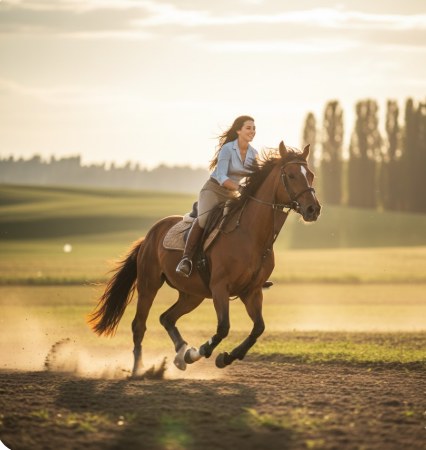
The question of whether horseback riding qualifies as a sport continues to spark lively debate. Many immediately think of traditional sports such as soccer, basketball, or swimming—where physical effort is unmistakably visible. Yet, in the world of equestrianism, there is much more at play than simply mounting a horse and going for a ride. Exploring this topic means delving into areas like sport classification, skill requirement, mental focus, and the remarkable partnership between rider and horse.
Understanding the sport classification of horseback riding
To address whether horseback riding fits the definition of a sport, it is helpful to consider what typically characterizes one. Most descriptions highlight features such as structured competition, measurable results, and significant physical effort. While equestrianism checks many of these boxes, some remain hesitant to categorize it as a sport due to the involvement of an animal partner. Is holding the reins truly on par with the commitment required from marathon runners? Upon closer examination, the answer becomes clearer.
Many clubs and organizations officially include horseback riding in national and international sporting events. For example, it holds a recognized place in the Olympic Games alongside other established disciplines. This recognition is based on strict criteria regarding athleticism and skill requirement. Such formal inclusion not only shapes how professionals train but also influences public perception of equestrianism around the globe.
The role of athleticism and physical effort in equestrianism
There is a frequent misconception about who truly shoulders the workload during a ride—the horse or the rider. Spectators might be captivated by the horse’s elegance, yet often overlook the rider’s own demands. There is far more involved than simply sitting astride while being carried along.
Athleticism in equestrianism extends beyond balance alone. Each session calls upon major muscle groups, coordinated movement, and a constantly adjusted posture. Riders must stay relaxed yet responsive, maintaining subtle communication to direct speed, attitude, and trajectory. Attributes like endurance, core strength, flexibility, and stability become especially vital during challenging competitions such as show jumping or dressage.
Skill requirement in horse riding competitions
Success in horseback riding does not depend solely on fitness. The skill requirement plays a central role. Mastering tasks like navigating jumps at speed, performing intricate routines, or reacting instantly to unpredictable situations takes years of practice. Refined tactile sensitivity and precise timing distinguish seasoned competitors from novices.
This level of expertise demands the same dedication found in any athletic pursuit. Structured training schedules, progressive goal setting, and ongoing performance analysis drive improvement in equestrian sports. Whether perfecting mounting techniques or refining pivots and lead changes, true mastery always involves repetition and careful refinement.
Mental focus and strategic thinking
Mental focus is indispensable in every aspect of riding. Success hinges on quick decision-making, anticipation, and adaptability. Even brief hesitation can impact performance in timed or judged events. Under competitive pressure, riders must maintain composure—not just to perform well themselves, but also to provide steady signals that keep their horses calm and responsive.
Strategic thinking is equally crucial. Selecting the best lines in cross-country, calculating stride patterns before each jump, and adapting to weather or terrain conditions all require sharp attention. Rather than being passive passengers, accomplished equestrians blend intuition with fast analytical skills—a clear hallmark of any recognized sport.
The importance of the rider-horse partnership
At the heart of equestrianism lies the unique rider-horse partnership. Unlike most sports where equipment serves as an extension of the athlete, here the “equipment” possesses its own mind and emotions. Building trust requires empathy, patience, and consistent interaction. Only with mutual respect can subtle cues and synchronized movements develop.
This relationship introduces a distinctive complexity to the necessary skill set. Communication occurs through body language, breathing, and even nearly invisible gestures. Achieving success depends less on force and more on interpreting feedback and responding swiftly—further evidence of genuine sport status.
Discipline and commitment behind mastering horseback riding
No individual reaches excellence in equestrian sports without unwavering discipline and long-term commitment. Demands begin early each day with training sessions, extend into detailed stable management, and continue with technique refinement away from the saddle. Progress is gradual, often measured over seasons rather than weeks.
Developing proficiency means embracing setbacks, facing unpredictable challenges, and continually honing skills regardless of distractions. Riders frequently mention the countless hours spent both practicing and caring for their horses, which fosters patience and resilience. This level of commitment mirrors that seen among athletes across all sporting fields, bridging any apparent divide between traditional and non-traditional sports.
Addressing the perception as non-sport
Despite growing recognition from sporting authorities, horseback riding still encounters skepticism regarding its status as a legitimate sport. Some observers perceive riders as largely reliant on their mounts, assuming the majority of effort rests on four legs instead of two. Others underestimate the intensity and diversity found within various equestrian disciplines, ranging from racing to agility-based contests.
Cultural context also shapes these views. In regions where equestrianism is less familiar, misconceptions are more common. However, those actively involved understand firsthand the degree of athleticism and skill requirement demanded by the sport—a reality underscored by organized leagues, rigorous training, and prestigious international competitions.
- Strong physical fitness developed through regular riding
- Advanced coordination perfected by hundreds of practice hours
- Proven mental stamina when facing challenging courses and critical judges
- Stable and trusting partnerships formed with horses over time
- Ability to adapt techniques across different riding styles and environments
Frequently asked questions about horseback riding as a sport
Does horseback riding require athleticism?
Yes, athleticism is essential in horseback riding. Riders engage multiple muscle groups, maintain strong posture, and exercise precise control throughout each ride. Competitive events, in particular, demand high levels of fitness, endurance, and core strength.
- Core stability
- Leg strength
- Balance and flexibility
- Coordination with the horse’s motion
How does the rider-horse partnership impact performance?
A solid rider-horse partnership greatly enhances outcomes in equestrian competitions. Mutual trust allows riders to communicate cues smoothly and adjust quickly to changing circumstances. Horses respond better to trusted riders, reducing miscommunication and improving both safety and effectiveness in sport settings.
- Trust and familiarity
- Instant response to subtle signals
- Shared experiences developed over time
Is there a formal sport classification for horseback riding?
Horseback riding receives official recognition as a sport from global governing bodies. Prestigious competitions, including the Olympics and World Equestrian Games, confirm its standing among regulated athletic disciplines. Sport classification emphasizes its requirements for skill, physical effort, and structured competition formats.
- Included in the Olympic Games
- Long-standing international regulations govern disciplines
- Widespread support from athletic organizations worldwide
| Discipline | Olympic Status |
|---|---|
| Show jumping | Yes |
| Dressage | Yes |
| Eventing | Yes |
What are the main skills needed for equestrianism?
The primary skills required for equestrianism go well beyond basic riding ability. Top competitors excel by developing advanced balance, keen observation, quick responsiveness, and effective communication. Significant emphasis is also placed on sharpening mental focus, rapid problem-solving, and reading horses’ needs efficiently.
- Balance and posture
- Effective communication with the horse
- Rapid reaction and problem-solving
- Consistent training habits