
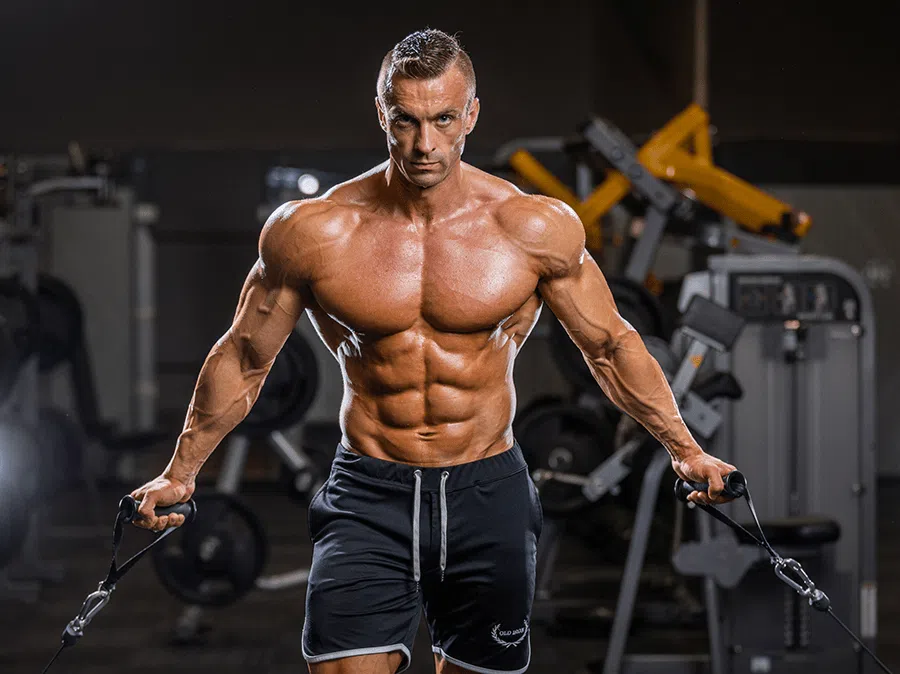
Few topics in the fitness world ignite as much debate as the question of whether bodybuilding is a sport. From gym conversations to academic discussions, this subject sparks passionate arguments. Some consider bodybuilding an athletic endeavor, while others question its sport status due to the way winners are determined. There is far more involved than striking physiques or shiny trophies—delving into this debate offers insight into bodybuilding’s place alongside traditional sports.
The definition of a sport and where bodybuilding fits
To determine if bodybuilding deserves the label “sport,” it helps to examine what typically qualifies an activity as such. Most definitions involve physical exertion, skill, competition, and the selection of a winner based on measurable performance.
Bodybuilding certainly checks some important boxes. It requires years dedicated to muscle development through disciplined training and strict nutrition. However, ambiguity arises when considering how competitions operate compared to other activities with clear, objective standards for determining victors.
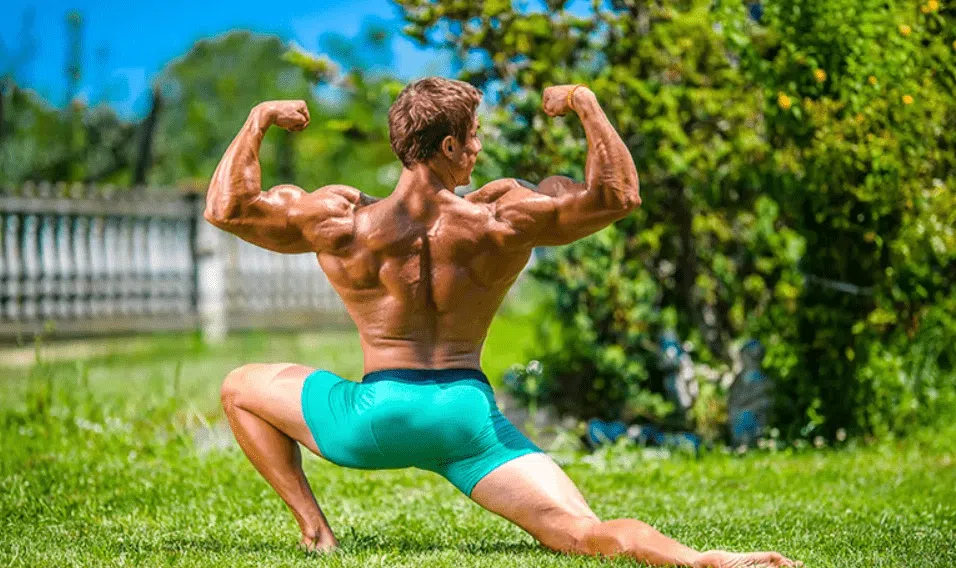
Bodybuilding competitions: Objective or subjective?
Traditional sporting events rely on objective criteria like speed, distance, points, or goals to declare champions. Whether sprinting or playing tennis, these criteria for being a sport leave little room for dispute—the highest score or fastest time wins unequivocally.
By contrast, bodybuilding competition centers on appearance rather than quantifiable athletic performance. Instead of running faster or lifting heavier, athletes present themselves on stage for evaluation. This fundamental difference often draws criticism regarding the lack of performance measurement and raises doubts about how well bodybuilding aligns with standard sport definitions.
Subjectivity and judging in bodybuilding shows
The process of judging in bodybuilding adds another layer of controversy. Panels assess competitors based on muscle size, symmetry, conditioning, and stage presence. While there are established guidelines, decisions inevitably involve subjectivity, leaving outcomes open to interpretation and individual preferences.
This reliance on personal judgment brings bodybuilding closer to fields like beauty pageants or modeling, where results hinge largely on judges’ opinions instead of direct competition or timed performances.
Comparison to beauty pageants and modeling
The visual focus and subjective scoring have led many to compare bodybuilding to beauty pageants. Both reward commitment to aesthetic perfection but require different types of discipline and preparation.
Comparing bodybuilding to modeling also highlights the emphasis on appearance over direct physical achievements, prioritizing presentation rather than demonstrable feats found in sports such as track and field or weightlifting.
Artistic and athletic aspects of bodybuilding
Even though bodybuilding does not use scores or times to measure success, the demands it places on participants rival those of any recognized athletic pursuit. Grueling workouts, meticulous diet planning, and mastery over the body showcase a level of dedication seen in professional sports.
The artistic aspect emerges during posing routines, where athletes blend strength, control, and creativity to highlight their physiques. This combination fuses aesthetic standards from art with the rigorous discipline of athletics, giving bodybuilding a truly hybrid identity.
Muscle development and hypertrophy training
Central to bodybuilding is the deliberate pursuit of muscle hypertrophy—increasing and sculpting muscle mass using scientific training methods. Strategies like progressive overload, varying rep ranges, and structured rest periods guide growth, paralleling approaches used in Olympic-level sports.
The quest for muscle development never occurs in isolation. Successful competitors must balance endurance, flexibility, and cardiovascular health, reflecting traits valued across established athletic disciplines.
Discipline and lifestyle requirements
Outside the gym, bodybuilders follow daily routines involving meal preparation, scheduled recovery, supplementation, and regular posing practice. Achieving peak condition year-round or preparing for competition requires unwavering commitment, echoing the lifestyles of elite athletes from various sports.
Attention to injury prevention, mental resilience, and recovery further narrows the gap between bodybuilding and conventional sports participants.
How does bodybuilding compare to other sports?
When compared to activities such as football or swimming, bodybuilding shares demanding characteristics like intense training schedules and strategic planning. The major divergence lies in how winners are crowned—through subjective judging rather than point systems or objective records.
Applying widely accepted standards for being a sport, bodybuilding fulfills most criteria except for the absence of objective scoring methods. This remains the primary factor distinguishing it from other athletic contests.
- Requires structured training regimens
- Focuses on continuous physical improvement
- Demands the ability to strategize and adapt
- Involves strict dietary controls akin to weight-class sports
- Operates under defined rules, but relies heavily on judgment calls
Why does the debate about bodybuilding’s sport status persist?
No matter how passionately the topic is discussed, certainty remains elusive because bodybuilding falls outside typical black-and-white definitions. Supporters see athletes pushing human physiology to remarkable limits—a display that seems undeniably athletic.
However, skepticism persists among purists who argue that the lack of direct competition and concrete scoring distances bodybuilding from established sports. The presence of artistic elements only deepens the divide in perspectives, making consensus hard to reach.
Frequently asked questions on bodybuilding as a sport
What makes bodybuilding different from other sports?
Bodybuilding revolves around competition based on appearance and the intentional cultivation of muscle symmetry and proportion. Judging relies on how well each athlete meets certain visual standards, rather than on measurable performances during the event. Many other sports use objective measures such as time or distance to determine winners.
- Heavy emphasis on aesthetics and presentation
- Lack of direct performance measurement
- Significant reliance on subjective scoring
Can bodybuilding be considered an art as much as a sport?
Absolutely, bodybuilding embraces an artistic aspect, particularly evident in posing routines that highlight physique, creativity, and self-expression. While grounded in athletic training focused on muscle development and conditioning, it also values stagecraft, angles, and visual appeal.
- Athletes select poses strategically to maximize strengths
- Presentation and charisma play roles along with muscularity
What are the main criteria for being classified as a sport?
Several criteria or standards help define whether an activity qualifies as a sport. These usually include organized competition under agreed rules, the requirement of physical skill and training, structure through leagues or federations, and a method for declaring a winner.
- Organized competition
- Physical skill and exertion
- Decisive outcome based on defined performance
- Governance by formal bodies
| Criteria | Bodybuilding | Track |
|---|---|---|
| Objectivity | Low | High |
| Physical demand | High | High |
| Direct comparison | No | Yes |
Does the lack of performance measurement affect bodybuilding’s legitimacy as a sport?
Many critics highlight the absence of measurable performance (such as time, distance, or repetitions) as a reason why bodybuilding struggles to achieve full sport status. Heavy reliance on subjective judging and opinions means outcomes are less definitive than in sports like swimming or gymnastics, where results are numerically clear.
- Judging panels introduce variability in scores
- Visual criteria allow for differences in interpretation