
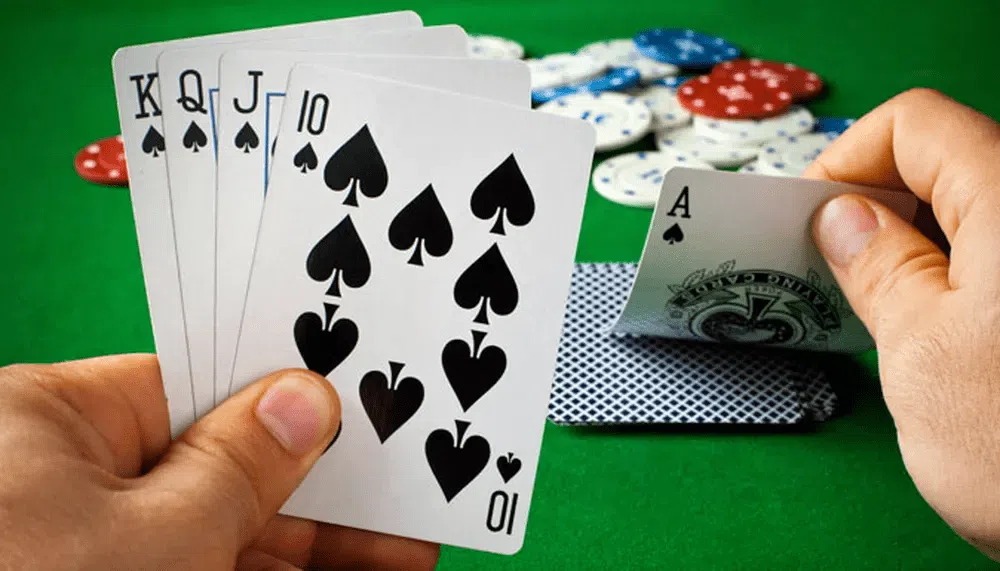
Anyone who has witnessed high-stakes poker tournaments can attest to an atmosphere that closely resembles traditional sports. The competitive edge, intense strategy, and dramatic moments of triumph all contribute to this impression. But does this make poker a sport? This question sparks lively debates among both dedicated enthusiasts and those viewing poker as mere recreation. Examining the boundaries between sports and games may help clarify where poker fits.
The sport vs. game distinction in poker
Differentiating between a sport and a game is not as simple as it might appear. Many define sports as activities demanding physical skill, structured competitions, and oversight by formal organizations. Games are typically linked to leisure, elements of luck, and less formal settings.
Poker sits in a unique position between these definitions. While chance plays a role in the cards dealt, strategy and decision-making consistently outweigh luck over time. Many poker professionals argue that labeling poker only as a game ignores its depth of skill and the significant mental agility needed for long-term success.
The case for poker as a mind sport
Increasingly, poker is being recognized as a mind sport or mental sport. This classification aligns it with other skill-based competitions such as chess and bridge—where victory relies more on intellect than physical power.
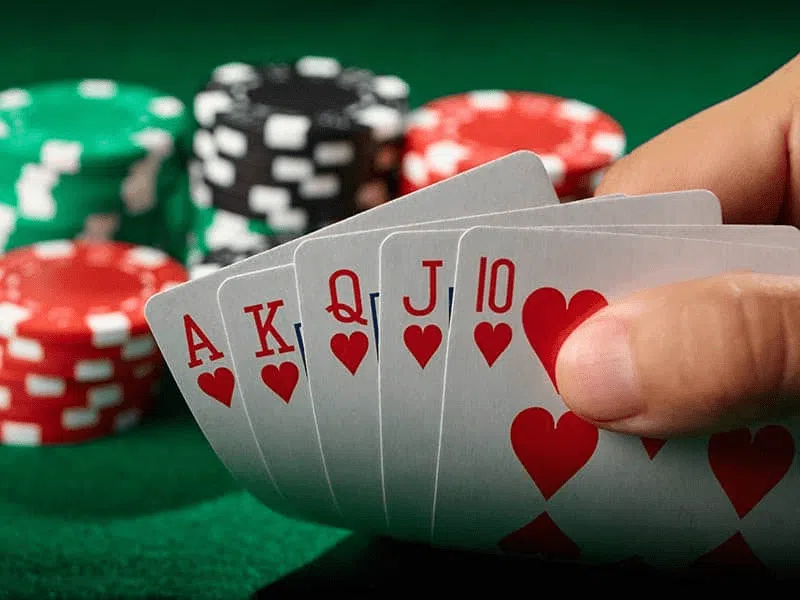
What defines a mind sport?
A mind sport centers around cognitive skills, tactical thinking, and mental stamina. Unlike athletic disciplines, participants excel through analysis, psychological insight, and quick adaptation. Chess, bridge, and even esports fall into this category, and many assert that poker deserves inclusion thanks to its demand for mental agility and constant strategic planning.
Viewed from this angle, the distinction between poker and traditional sports becomes much less clear. Major tournaments require hours of focus, reading opponents, anticipating moves, and making rapid decisions—all hallmarks of respected mind sports.
Requirements for winning at poker
Winning at poker depends on far more than just lucky cards. Success requires developing strong strategy, maintaining discipline, and sustaining concentration during lengthy sessions. For professionals, achieving peak performance often means:
- Mastering probability and complex odds calculations
- Observing behavioral cues and betting patterns
- Adapting strategies against various competitors
- Managing emotions under pressure
These factors highlight why poker is widely considered a game of skill rather than pure chance. In contrast to typical board games where random luck may determine the winner, elite poker players rely on years of practice and remarkable mental resilience to achieve consistent results.
Physical vs. mental requirements: Can poker be athletic?
No one would claim that poker’s physical demands rival marathon running, but dismissing the physical aspect entirely would be inaccurate. Long tournaments, sometimes spanning several days, place stress on both physical endurance and mental stamina.
Sustaining concentration while seated for extended periods, managing composure, and remaining alert all tax the body. To perform at the highest levels, some top poker professionals embrace routines similar to athletes—including nutrition plans, regular exercise, and mindfulness practices—to enhance their overall performance.
Recognition by official organizations and sporting bodies
One important factor in determining whether an activity qualifies as a sport is recognition by official organizations. Opinions differ worldwide, but poker has received increasing acknowledgment from several respected groups.
Status among international organizations
Certain international federations have granted poker a status akin to other mind sports. Its presence in multi-sport events reflects growing acceptance of poker’s competitive nature. Although this does not equate to Olympic-level recognition, it strengthens the case for poker rising above the level of ordinary gaming.
Additionally, frequent broadcasts of major poker events on sports networks reinforce poker’s association with mainstream sports. Such coverage presents poker tournaments with the same excitement and seriousness as traditional sporting contests, further blurring the lines between the two categories.
Poker players: athletes or just players?
The global debate continues: should professional poker competitors be considered athletes? Some suggest that the lack of substantial physical effort disqualifies them. However, others point out that excellence in any field involves specialized abilities—and that mastering mental dexterity is simply another form of athletic achievement.
Quick decision-making, handling immense pressure, and unwavering stamina are essential in both classic sports and professional poker. Supporters of the comparison emphasize that while the required skills do not involve sprinting or jumping, they absolutely demand discipline and ongoing mental training.
The gambling association and its influence
Poker’s deep-rooted connection to casinos and gambling culture often complicates its identity. Because financial stakes are usually involved, many lump poker together with pure games of chance like roulette or slot machines. Yet, this view overlooks the game’s distinct reliance on skill, which sets it apart from other forms of gambling entertainment.
While fortune plays a part in the short term, seasoned players regularly outperform the field through their understanding of probability, psychology, and calculated risk-taking. Therefore, advocates argue that poker rightfully deserves recognition as a game of skill, clearly distinguishing it from random-chance betting activities.
Frequently asked questions about poker as a sport
What does it mean to classify poker as a mind sport?
A mind sport focuses primarily on mental abilities rather than physical ones. When poker is viewed as a mental sport, it highlights logic, critical reasoning, emotional control, and memory—much like chess or bridge. The competitive format and the need for ongoing strategic planning reinforce poker’s standing as a legitimate mind sport.
- Emphasis on cognitive skill over physical strength
- Rapid calculations and adaptable thinking are essential
- Mental endurance is tested throughout long competitions
How do skill and luck interact in poker?
In poker, luck determines initial hands and immediate outcomes, but long-term winners display a deep command of strategy and psychological insight. Over many sessions, skill prevails—allowing experienced players to achieve sustained success. While recreational players may benefit from good fortune occasionally, experts maximize gains and minimize losses through disciplined decision-making and experience.
- Short-term results: Influenced partly by chance
- Long-term achievements: Driven by skill and expertise
Has poker received recognition by official organizations?
Multiple national and international organizations acknowledge poker as a game of skill or recognize it as a competitive pursuit. This recognition varies worldwide, but poker’s inclusion in global mind sport events and regular broadcasts on major sports networks signal a growing trend toward legitimacy.
| Organization | Status |
|---|---|
| International Mind Sports Association | Included |
| Olympic Committee | Not recognized |
Why do some people hesitate to call poker a sport?
The modern perception of sports revolves around visible physical effort, teams, stadiums, and outdoor play. Poker, with its roots in gambling venues, lacks obvious athletic requirements. Because of the card room setting and wagering element, many categorize poker strictly as gambling—but focusing solely on this aspect overlooks the importance of strategy, mental endurance, and competition, which are central reasons why some advocate for poker as both a mental sport and a genuine game of skill.
- Strong historical ties to gambling environments
- Absence of clear physical exertion compared to conventional sports